Waarom is een nauwkeurige vezelbepaling essentieel?
Vezels zijn belangrijk voor zowel diervoeder als menselijke voeding en ondersteunen de algemene gezondheid. De hoeveelheid en het type vezels nauwkeurig bepalen is essentieel. Vezelbepaling levert inzichten in verschillende domeinen:
- Productie van diervoeder: kennis van het vezelgehalte helpt bij het samenstellen van rantsoenen die de vertering, darmgezondheid en dierprestaties verbeteren.
- Voedingsetikettering: een correcte vezelwaarde ondersteunt juiste etikettering, zodat consumenten geïnformeerde keuzes maken.
- Voedingsonderzoek: inzicht in hoe verschillende vezeltypes de gezondheid beïnvloeden, stuurt betere voedingsaanbevelingen.
Alle oplossingen gebruiken kroezeltechnologie volgens officiële normen (ISO en AOAC). Vezelresidu blijft tijdens elke stap in de kroezen, wat het foutrisico verlaagt en consistente resultaten waarborgt.
Vezelbepaling in diervoeder
Wat is de Ruwvezelmethode (Weende)?
De ruwevezelmethode schat het gehalte aan vezels of plantaardige celwanden. Ze wordt veel gebruikt voor monogastrische dieren. De methode omvat:
- Oplossing (digestie): niet-cellulosische verbindingen oplossen met zwavelzuur- en kaliumhydroxide-oplossingen.
- Ruwevezelmeting: meting van het gloeiverlies van het gedroogde residu na digestie.
Ze is toepasbaar op granen, meel, bloem, voeders en vezelhoudende materialen waaruit vet kan worden geëxtraheerd.

Zure spijsvertering
- Kokend
- Filtering

Wassen
- Wassen met water na zure spijsvertering

Alkalische ontsluiting
- Kokend
- Filtering
Wassen
- Het wassen van het metwater na de alkalische afbraak
Hoe werkt de detergentvezelmethode (Van Soest)?
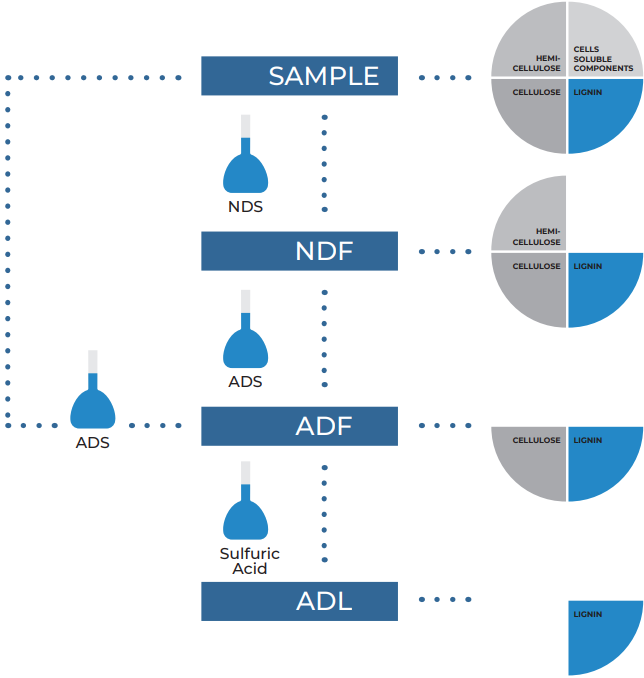
De Van Soest-methode gaat ervan uit dat de plantencel zich opdeelt in minder verteerbare celwanden van hemicellulose, cellulose en lignine. Zo kan vezel worden opgesplitst in NDF, ADF en ADL, gebruikt om de energieopname uit voeder te schatten, vooral bij herkauwers.
Neutraal-detergentvezel (NDF)
Het monster wordt verteerd in neutraal-detergentoplossing (NDS) met een hittestabiel amylase-enzym, waarbij de neutraal-detergentoplosbare fractie (suikers, zetmeel, oplosbare pectine — uitgefilterd) van de onoplosbare fractie (celwandstoffen: hemicellulose, cellulose, lignine) wordt gescheiden.
De resterende droge stof wordt gemeten; het aandeel geeft de neutraal-detergentvezel (NDF).
Zuur-detergentvezel (ADF)
De zuur-detergentoplossing (ADS) lost de hemicellulose op, terwijl lignine en cellulose onoplosbaar blijven. Het residu — cellulose en lignine — wordt gewogen om ADF te bepalen.
Zuur-detergentlignine (ADL)
Het residu uit de ADF-analyse wordt opgelost in 72% zwavelzuur, waarna lignine (ADL) overblijft en gravimetrisch wordt bepaald.
Vezelanalysatoren en -extractoren voor voederanalyse
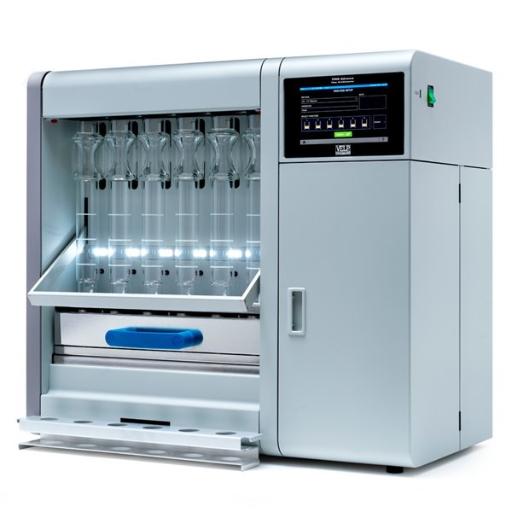
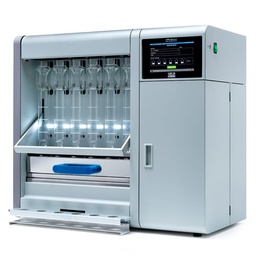
FIWE Advance Automatische Vezelanalysator
Volautomatische analysator voor de bepaling van ruwe en detergentvezels volgens officiële referentiemethoden. Hij beperkt de operatortijd en biedt een heldere interface en cloudconnectiviteit.
Bekijk het product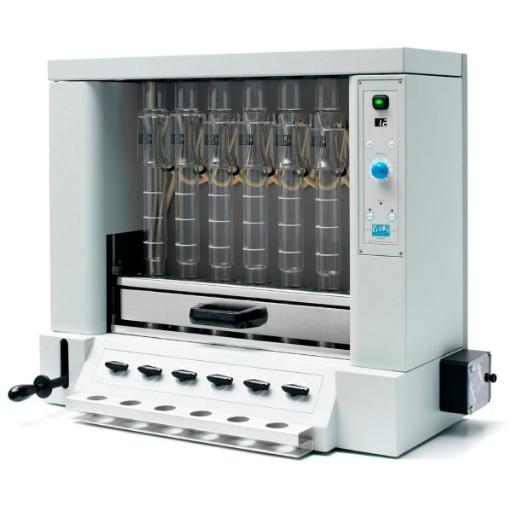
FIWE Vezelanalysator
Vezelanalysatoren met voorverwarmde reagentia voor vezelanalyse volgens Weende, Van Soest en andere officiële methoden.
Meer leren over FIWE 6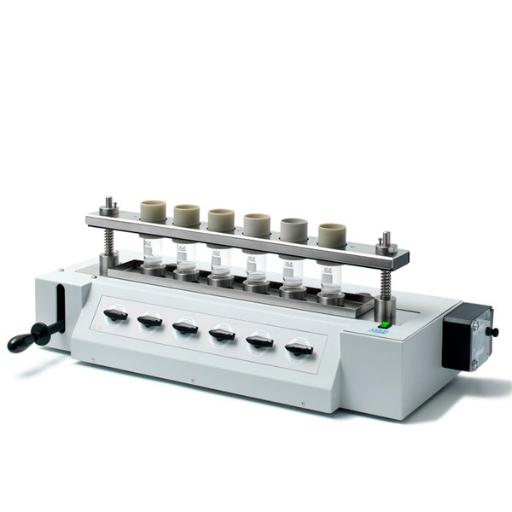
COEX Koude extractor
Koude extractor voor snelle vetextractie op voedermonsters, rechtstreeks in de glazen kroezen van FIWE Advance en FIWE.
Bekijk het productBepaling van voedingsvezels
Voedingsvezels zijn het deel van plantaardige voeding dat de menselijke dunne darm niet verteert. Het is een belangrijke voedingsstof: ze bevorderen verzadiging, reguleren de darmwerking en beïnvloeden de opname van nutriënten.
Dankzij deze voordelen worden vezels steeds vaker in functionele voeding gebruikt, en fabrikanten vermelden het gehalte op de verpakking.
De procedure omvat een reeks digesties met hittestabiele enzymen via de GDE enzymatische digestor, conform de officiële AOAC-methode voor totale voedingsvezels.
De procedure kost tijd; elke stap volgen is essentieel voor precieze resultaten.
Hieronder een vereenvoudigde versie van het volledige proces.
1. Monstervoorbereiding
2. Enzymatische spijsvertering
3. Filtratie
4. Eiwitbepaling
5. Asbepaling
Enzymatic Digester and Filtration Unit for Bepaling van voedingsvezels
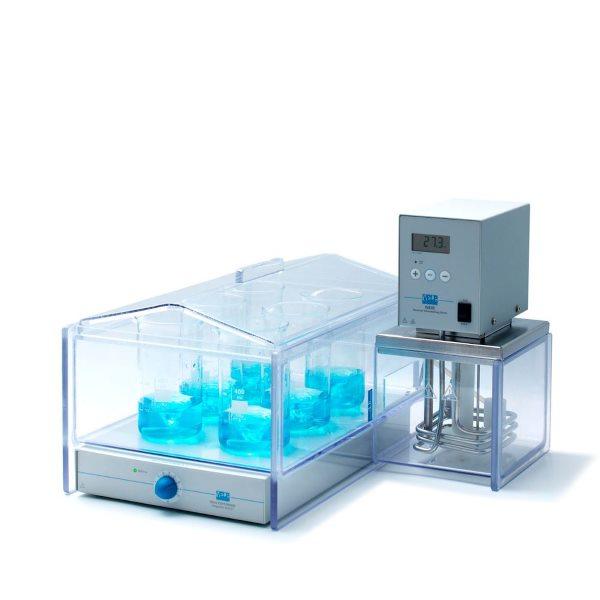
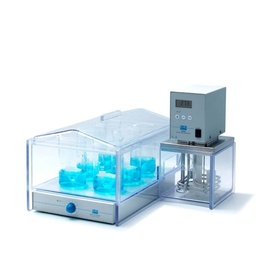
GDE Enzymatische Vergister
Enzymatische digestie voor voedingsvezelanalyse via enzymverwarming.
Bekijk het product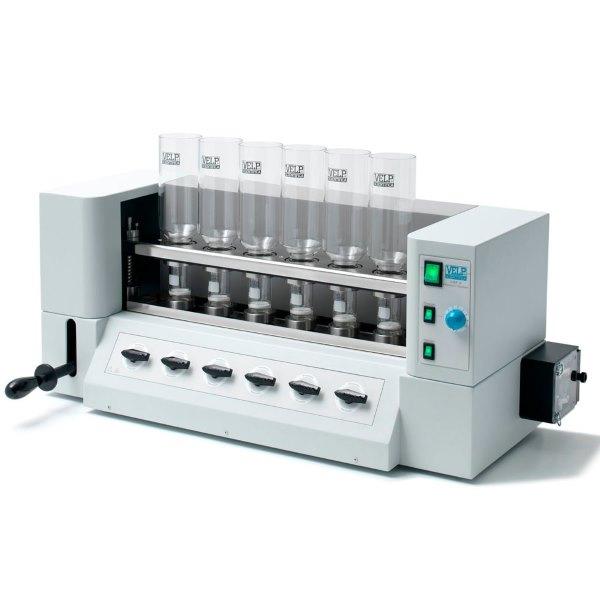
Onze producten
Vetafzuiging voor vezelbepaling
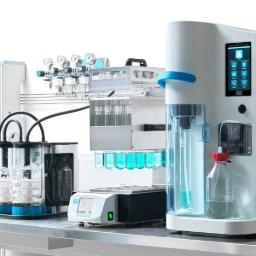
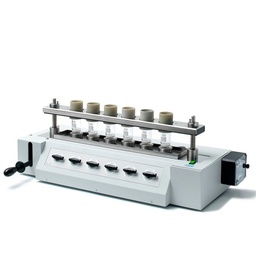
De COEX wordt gebruikt voor de voorlopige ontvetting van het monster voorafgaand aan de vezelbepaling met de FIWE en FIWE Advance. De COEX garandeert maximale betrouwbaarheid en is een verplichte stap voor alle voedingsmonsters met een hoog vetgehalte.
De efficiënte pomp zuigt de vetcomponent op en verwijdert deze, waarna deze wordt opgevangen in een afvalreservoir/fles.
De COEX is gebruiksvriendelijk en handig; alle reagentia kunnen via hetzelfde kanaal worden toegevoegd.
Vermijd monsterverlies en transfers
De COEX zorgt voor een snelle vetextractie rechtstreeks in dezelfde glazen smeltkroezen die door de FIWE en FIWE Advance worden gebruikt, wanneer het vetgehalte van het voedingsmonster hoog is en tot minder dan 1% moet worden teruggebracht.
De kroes met het ontvette monster wordt rechtstreeks overgebracht naar de FIWE- en FIWE Advance-analyzer wat mogelijke fouten door monstertransfers elimineert.
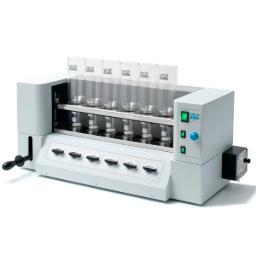
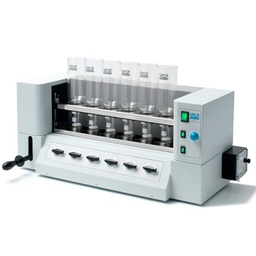
Snelle en efficiënte filtratie
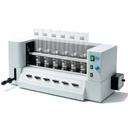
De CSF6 is ideaal voor efficiënte filtratie, nadat de monsters zijn verwerkt door de enzymatische digester GDE.
Met deze VELP-combinatie kan de analyse worden uitgevoerd volgens de officiële AOAC-methode (bepaling van totale voedingsvezels), waarbij de benodigde tijd drastisch wordt verkort in vergelijking met de handmatige procedure.
De CFS6-filtratie-eenheid kan één of meerdere monsters simultaan verwerken, tot maximaal 6 monsters tegelijk, in minder dan 20 minuten, zelfs bij volledige belasting.
Betrouwbare filtratie
De zeer efficiënte pomp maakt het mogelijk om de filtratiestap en de laatste spoeling te versnellen.
Er kan ook perslucht vanaf de onderkant worden geïnjecteerd om eventueel in het filter van de smeltkroes opgehoopt monster te verwijderen, wat de kwaliteit van de filtratie beïnvloedt.
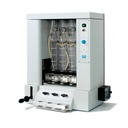
Crude Fiber, Neutral & Acid Detergent Fiber
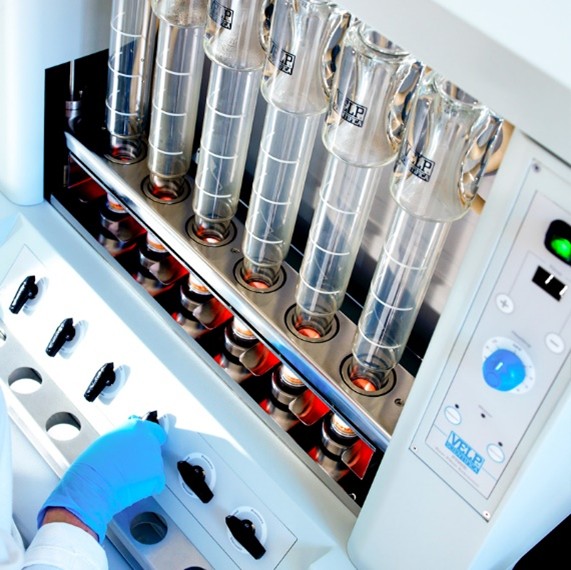
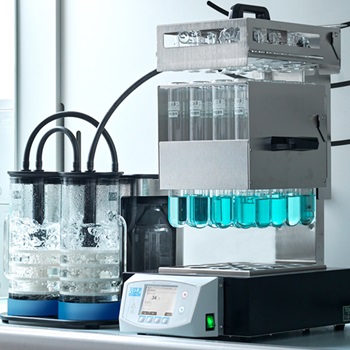
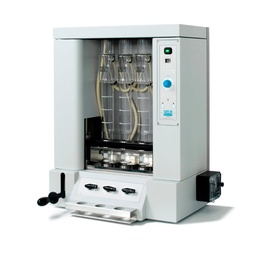
FIWE 3 (like the FIWE 6) is a fiber analyzer suitable for raw fiber extraction, conventionally known as an indigestible residue. Rapid analysis, reliable results and high reproducibility are some of the most relevant benefits of these units which are ideal for the following applications:
- the Weende method, the oldest analytical procedure still in use today, in which fiber concentration is measured as crude fiber (CF)
- the Neutral Detergent Fiber (NDF), a method developed by Van Soest, now the most common measure of fiber used for animal feed analysis
- Acid Detergent Fiber (ADF), a portion of the plant fiber and includes cellulose, lignin and variable amounts of xylans.
- Acid Detergent Lignin (ADL) determination and Wijkstrom technique, a modification of the Weende method
High Reliability, Single or Multiple Extractions
Perform single or multiple extractions including boiling, rinsing and filtration steps with the maximum reproducibility available.
No sample transfer prevents any possible sample loss, as crucibles can also be used as sample vessels during weighing, drying and washing.
Pre-heat the reagents with RC2 hot plate (included), and pour them directly into the system.
No transfer and sample loss
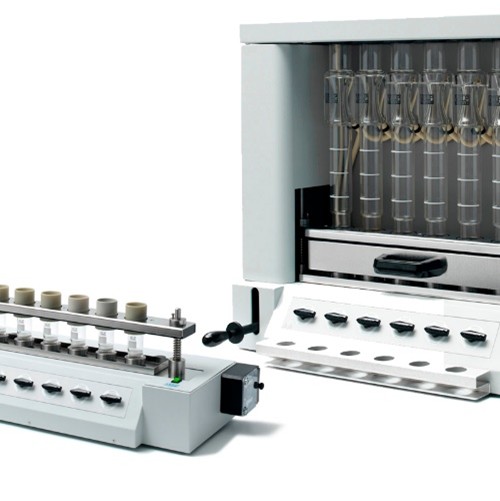
In order to prepare the sample for fiber analysis, COEX ensures rapid fat extraction directly into the same glass crucibles used by the FIWE series.
The crucible, containing the defatted sample, is transferred directly to the FIWE analyzer, eliminating.
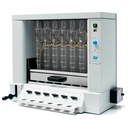
Crude Fiber, Neutral & Acid Detergent Fiber

FIWE 3 and FIWE 6 are fiber analyzers suitable for raw fiber extraction, conventionally known as an indigestible residue. Rapid analysis, reliable results and high reproducibility are some of the most relevant benefits of these units which are ideal for the following applications:
- the Weende method, the oldest analytical procedure still in use today, in which fiber concentration is measured as crude fiber (CF)
- the Neutral Detergent Fiber (NDF), a method developed by Van Soest, now the most common measure of fiber used for animal feed analysis
- Acid Detergent Fiber (ADF), a portion of the plant fiber and includes cellulose, lignin and variable amounts of xylans.
- Acid Detergent Lignin (ADL) determination and Wijkstrom technique, a modification of the Weende method
High Reliability, Single or Multiple Extractions
Perform single or multiple extractions including boiling, rinsing and filtration steps with the maximum reproducibility available.
No sample transfer prevents any possible sample loss, as crucibles can also be used as sample vessels during weighing, drying and washing.
Pre-heat the reagents with RC2 hot plate (included), and pour them directly into the system.
No transfer and sample loss

In order to prepare the sample for fiber analysis, COEX ensures rapid fat extraction directly into the same glass crucibles used by the FIWE series.
The crucible, containing the defatted sample, is transferred directly to the FIWE analyzer, eliminating.
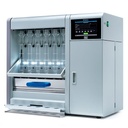
Fully Automatic Crude and Detergent Fiber
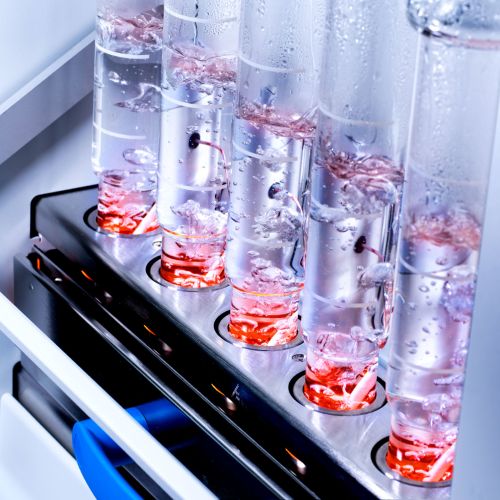
Accurate and reproducible results are what a scientist of the animal feed industry needs for fiber determinations to meet the requirements of product labeling and quality control.
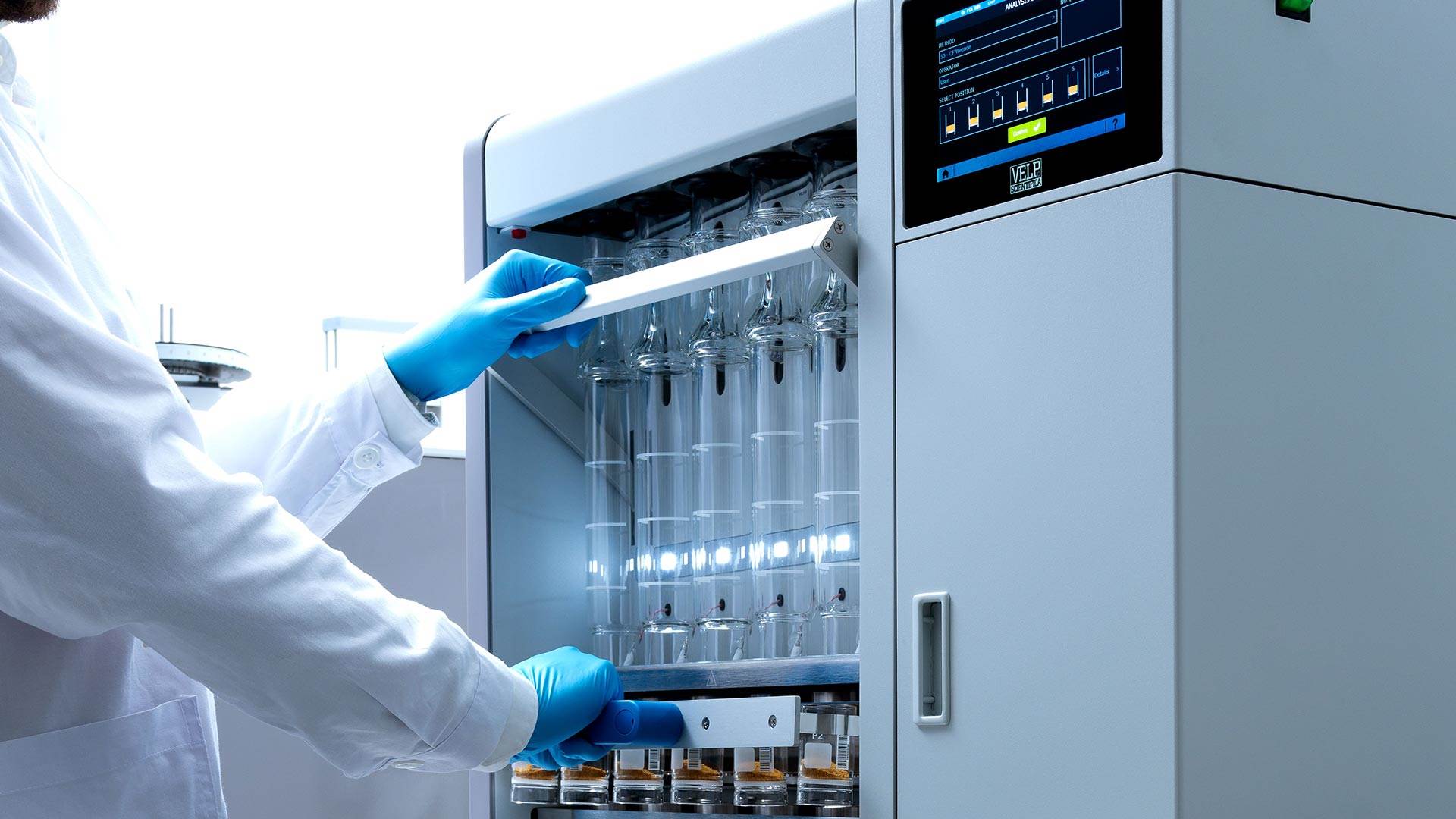
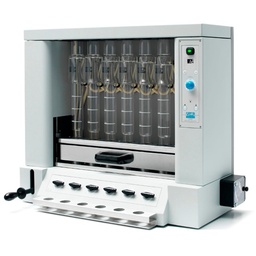
The FIWE Advance automates digestion, washing and filtration steps guaranteeing consistency for Crude Fiber with Weende Method and Detergent Fiber for fiber fraction with Van Soest Method NDF, ADF and ADL.
Compliance and consistency
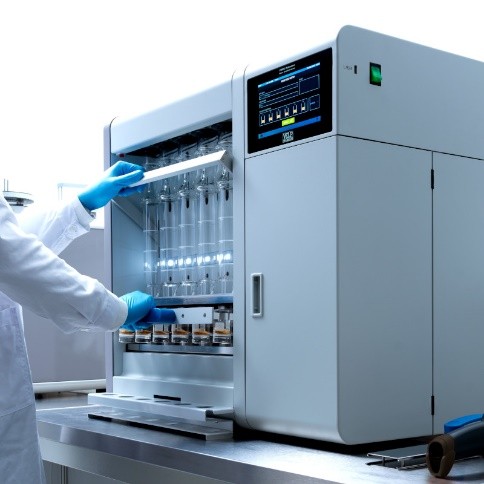
FIWE Advance produces accurate results that always comply with official ISO and AOAC methods for both Crude Fiber and Detergent Fiber.
In addition, the FIWE Advance method using crucibles avoids the loss of fibre due to the transfer of the sample which remains in the crucible for the duration of the analytical procedure.
The sample in fact remains inside the crucibles during the extraction, digestion, washing and filtration phases, and also during weighing and finally for drying and ashing eliminating the risks of error.
Load the samples and go
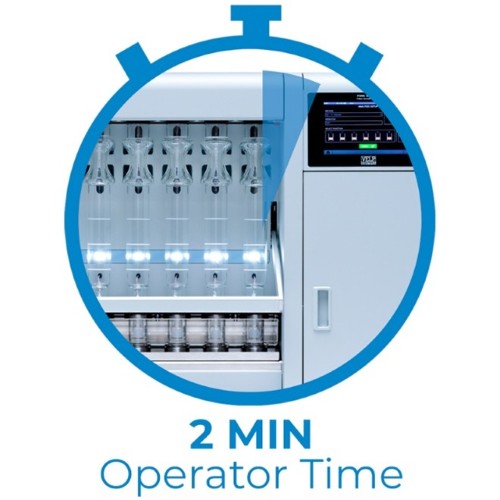
FIWE Advance saves you valuable time by reducing costs and improving your lab's productivity.
FIWE Advance requires only 2 minutes of operator time compared to more than 50 minutes/operator of a semi-automatic solution.
You will no longer need to preheat and pour chemicals into the columns, manage the temperature for proper boiling, or make sure the filtration is successful.
With FIWE Advance all these operations are automatic and thanks to the cloud connection you are always informed with immediate notifications.
Betrouwbaar en nauwkeurig
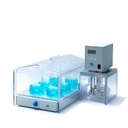
Bij de analytische procedure voor het bepalen van voedingsvezels ondergaat het monster een reeks digesties door thermostabiele enzymen m.b.v. de enzymatische digestor GDE. Deze werkt volgens de officiële AOAC-methode voor de bepaling van de totale voedingsvezels.
De magnetische roerder van de GDE zorgt voor homogeniteit door constante en continue roering van het monster, zonder oververhitting die het succes van de enzymatische vertering in gevaar zou kunnen brengen.
Intuïtief en nauwkeurig
Stel de timer in voor gebruik zonder toezicht, zodat u snel de bedrijfsduur kunt instellen en u zich op andere taken kunt concentreren.
De transparante polycarbonaat tank zorgt voor zichtbaarheid en een verbeterde weerstand tot 105 °C, terwijl het gebruik van gedeïoniseerd water elke mogelijke vorming van kalksteen elimineert.
Met GDE is een uitstekende temperatuurregeling mogelijk: via een intuïtief digitaal display kan de gewenste temperatuur worden ingesteld, met een uitstekende nauwkeurigheid van slechts ± 0,2 °C.