Pourquoi la détermination précise des fibres est-elle essentielle ?
La fibre est essentielle en alimentation animale et humaine, pour la santé globale. Déterminer avec précision la quantité et le type de fibres est crucial. La détermination des fibres apporte des informations utiles dans plusieurs domaines :
- Production d'aliments pour animaux: connaître la teneur en fibres aide à formuler des rations qui améliorent la digestion, la santé intestinale et les performances animales.
- Étiquetage alimentaire: une teneur en fibres exacte permet un étiquetage correct et des choix éclairés pour les consommateurs.
- Recherche nutritionnelle: comprendre l'effet des différents types de fibres sur la santé oriente de meilleures recommandations alimentaires.
Toutes les solutions utilisent la technologie à creusets, conforme aux normes officielles (ISO et AOAC). Les résidus de fibres restent dans les creusets à chaque étape, réduisant le risque d'erreur et assurant des résultats cohérents.
Détermination des fibres dans les aliments pour animaux
Qu'est-ce que la méthode des fibres brutes (Weende) ?
La méthode des fibres brutes estime la teneur en fibres ou en parois cellulaires végétales. Elle est très utilisée pour les monogastriques. Elle comprend :
- Solubilisation (digestion): dissolution des composés non cellulosiques par des solutions d'acide sulfurique et d'hydroxyde de potassium.
- Mesure des fibres brutes: mesure de la perte au feu du résidu séché restant après digestion.
Elle s'applique aux grains, tourteaux, farines, aliments et matières fibreuses dont on peut extraire la matière grasse.

Digestion acide
- Ébullition
- Filtration

Lavage
- Lavage à l'eau après une digestion acide

Digestion alcaline
- Ébullition
- Filtration
Lavage
- Lavage à l'eau après digestion alcaline
Comment fonctionne la méthode des fibres au détergent (Van Soest) ?
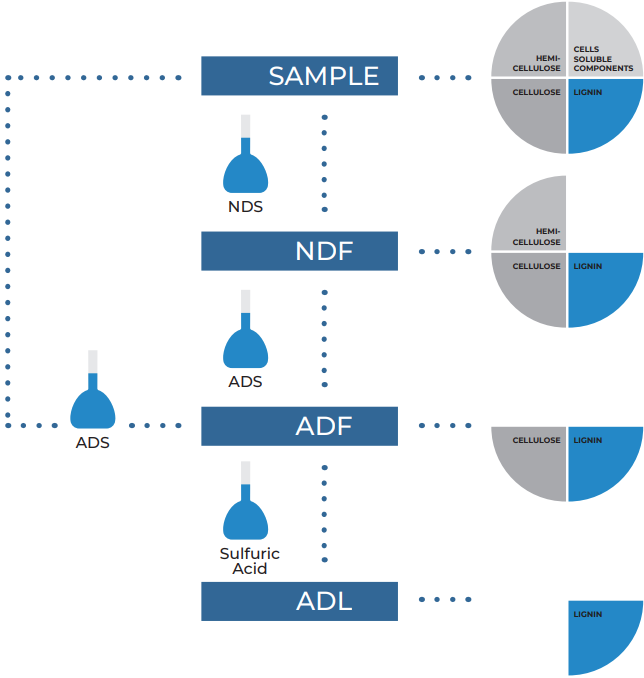
La méthode Van Soest repose sur l'idée que la cellule végétale se divise en parois moins digestibles composées d'hémicellulose, de cellulose et de lignine. On peut ainsi fractionner la fibre en NDF, ADF et ADL, servant à estimer l'apport énergétique de l'aliment, surtout chez les ruminants.
Fibre au détergent neutre (NDF)
L'échantillon est digéré dans la solution au détergent neutre (NDS) avec une enzyme amylase thermostable, séparant la fraction soluble (sucres, amidons, pectine soluble — filtrés) de la fraction insoluble (parois cellulaires : hémicellulose, cellulose, lignine).
La matière sèche restante est mesurée ; sa proportion donne la fibre au détergent neutre (NDF).
Fibre au détergent acide (ADF)
La solution au détergent acide (ADS) solubilise l'hémicellulose tandis que la lignine et la cellulose restent insolubles. Le résidu — cellulose et lignine — est pesé pour déterminer l'ADF.
Lignine au détergent acide (ADL)
Le résidu de l'analyse ADF est solubilisé par de l'acide sulfurique à 72 %, laissant la lignine (ADL), déterminée par gravimétrie.
Analyseurs et extracteurs de fibres pour l'analyse des aliments
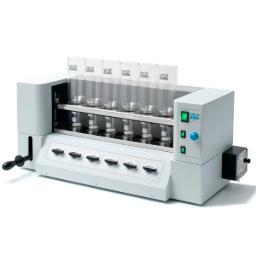
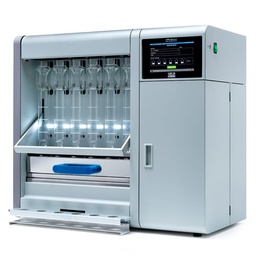
FIWE Advance – Analyseur de fibres automatique
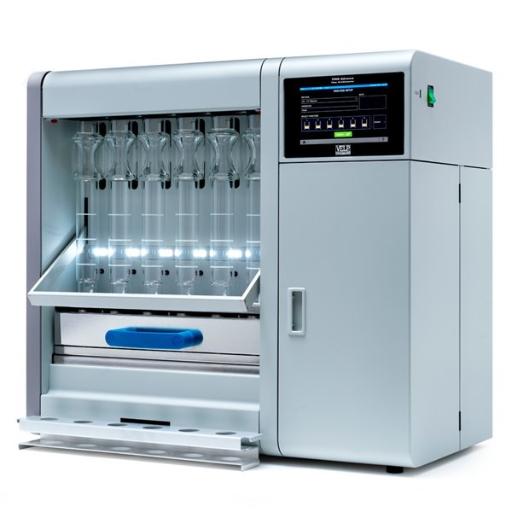
Analyseur entièrement automatique pour la détermination des fibres brutes et au détergent selon les méthodes de référence officielles. Il réduit le temps opérateur et offre une interface claire et une connectivité cloud.
Voir le produit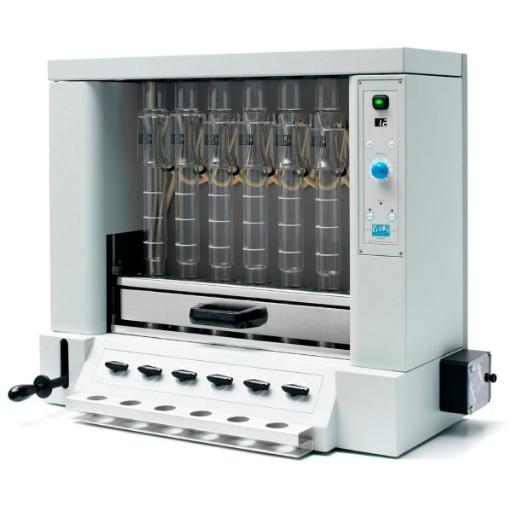
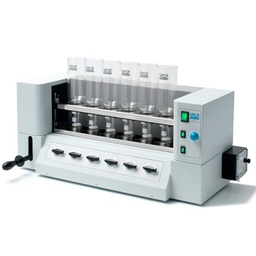
Analyseur de fibres FIWE
Analyseurs de fibres utilisant des réactifs préchauffés pour l'analyse selon Weende, Van Soest et d'autres méthodes officielles.
En savoir plus à propos de FIWE 3
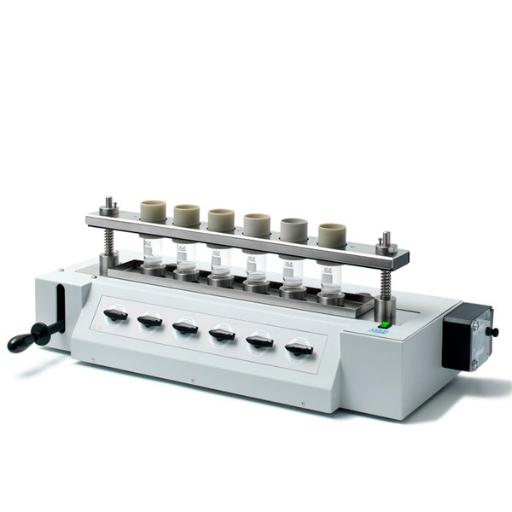
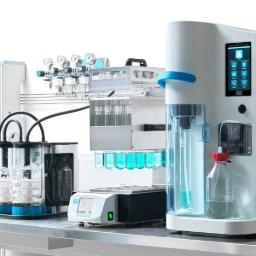
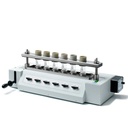
Extracteur de froid COEX
Extracteur à froid pour une extraction rapide des matières grasses sur les échantillons d'aliments, directement dans les creusets en verre FIWE Advance et FIWE.
Voir le produitDétermination des fibres alimentaires
Les fibres alimentaires sont la part des aliments d'origine végétale que l'intestin grêle humain ne digère pas. C'est un nutriment clé : elles favorisent la satiété, régulent le transit et modulent l'absorption des nutriments.
Grâce à ces bénéfices, les fibres sont de plus en plus utilisées dans les aliments fonctionnels, et les fabricants en déclarent la teneur sur l'emballage.
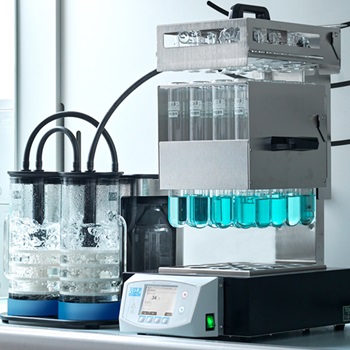
La procédure comprend une série de digestions par des enzymes thermostables à l'aide du digesteur enzymatique GDE, conformément à la méthode officielle AOAC pour les fibres alimentaires totales.
La procédure prend du temps ; suivre chaque étape est essentiel pour des résultats précis.
Voici une version simplifiée du processus complet.
1. Préparation de l'échantillon
2. Digestion enzymatique
3. Filtration
4. Détermination des protéines
5. Détermination des cendres
Digesteur enzymatique et unité de filtration pour la détermination des fibres alimentaires
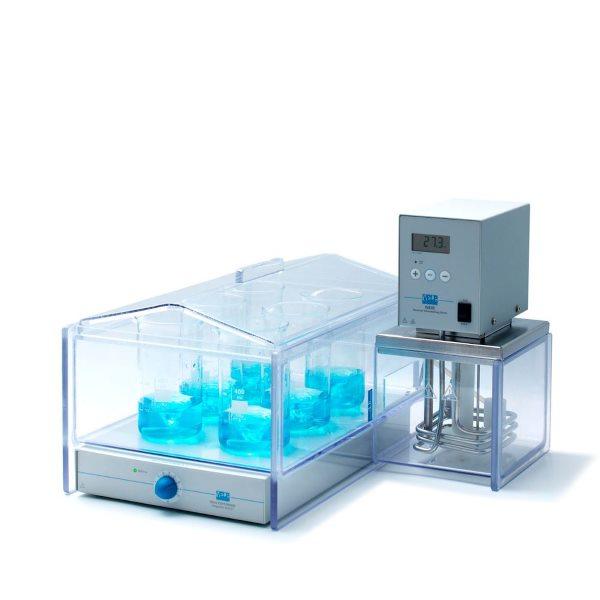
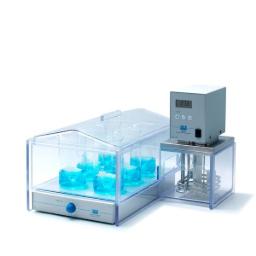
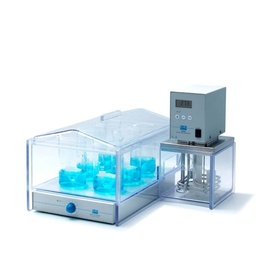
Digesteur enzymatique GDE
Digestion enzymatique pour l'analyse des fibres alimentaires par chauffage des enzymes.
Voir le produit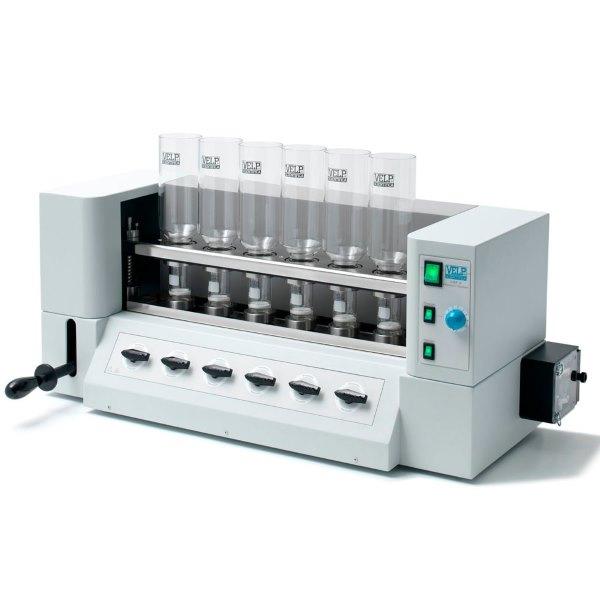
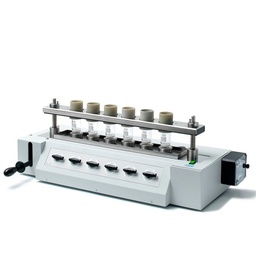
Unité de filtration CSF6
Unité de filtration pour l'extraction des fibres alimentaires.
Voir le produitNos produits
Fiable et précis
La procédure analytique pour la détermination des fibres alimentaires implique une série de digestions de l'échantillon par des enzymes thermostables à l'aide du digesteur enzymatique GDE. Celui-ci fonctionne conformément à la méthode officielle AOAC pour la détermination des fibres alimentaires totales.
L'agitateur magnétique du GDE assure l'homogénéité grâce à une agitation continue et constante de l'échantillon tout en évitant la surchauffe qui pourrait compromettre le succès des digestions enzymatiques.
Intuitif et précis
Réglez la minuterie pour un fonctionnement sans surveillance. Vous pouvez rapidement régler la durée de fonctionnement et vous concentrer sur d'autres tâches.
Le réservoir en polycarbonate transparent assure une bonne visibilité et une résistance accrue jusqu'à 105 °C, tandis que l'utilisation d'eau déionisée élimine tout risque de formation de calcaire.
Le GDE permet une régulation exceptionnelle de la température : grâce à un affichage numérique intuitif, vous pouvez régler la température souhaitée avec une excellente précision de seulement ± 0,2 °C.
Extraction des matières grasses pour la détermination des fibres
Le COEX sert à effectuer un dégraissage préliminaire de l'échantillon avant la détermination des fibres avec les appareils FIWE et FIWE Advance. Le COEX garantit une fiabilité maximale et constitue une étape obligatoire pour tous les échantillons alimentaires à forte teneur en matières grasses.
La pompe performante aspire et élimine la fraction grasse, qui est ensuite recueillie dans un réservoir ou un flacon de récupération dédié.
Le COEX est facile à utiliser et pratique : tous les réactifs peuvent être ajoutés par le même canal.
Évitez les pertes d'échantillon et les transferts
Le COEX assure une extraction rapide des matières grasses directement dans les mêmes creusets en verre que ceux utilisés par les analyseurs FIWE et FIWE Advance lorsque la teneur en matières grasses de l'échantillon d'aliment est élevée et doit être réduite à moins de 1 %.
Le creuset contenant l'échantillon dégraissé est transféré directement vers l'analyseur FIWE et FIWE Advance, éliminant ainsi les erreurs éventuelles liées au transfert d'échantillon.
Crude Fiber, Neutral & Acid Detergent Fiber
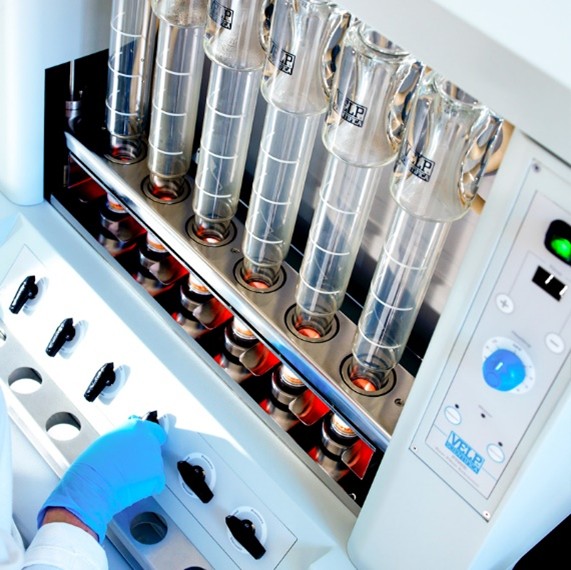
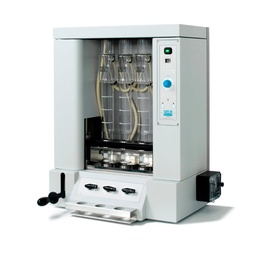
FIWE 3 (like the FIWE 6) is a fiber analyzer suitable for raw fiber extraction, conventionally known as an indigestible residue. Rapid analysis, reliable results and high reproducibility are some of the most relevant benefits of these units which are ideal for the following applications:
- the Weende method, the oldest analytical procedure still in use today, in which fiber concentration is measured as crude fiber (CF)
- the Neutral Detergent Fiber (NDF), a method developed by Van Soest, now the most common measure of fiber used for animal feed analysis
- Acid Detergent Fiber (ADF), a portion of the plant fiber and includes cellulose, lignin and variable amounts of xylans.
- Acid Detergent Lignin (ADL) determination and Wijkstrom technique, a modification of the Weende method
High Reliability, Single or Multiple Extractions
Perform single or multiple extractions including boiling, rinsing and filtration steps with the maximum reproducibility available.
No sample transfer prevents any possible sample loss, as crucibles can also be used as sample vessels during weighing, drying and washing.
Pre-heat the reagents with RC2 hot plate (included), and pour them directly into the system.
No transfer and sample loss
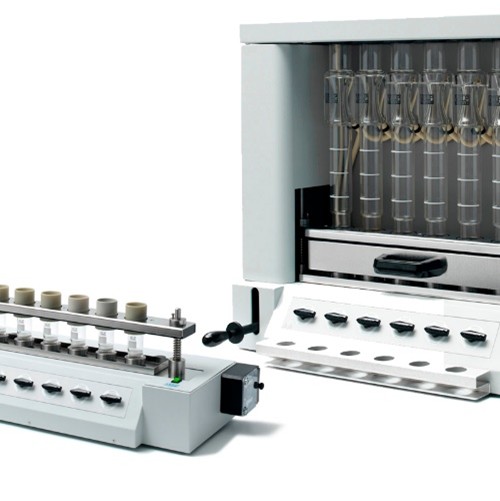
In order to prepare the sample for fiber analysis, COEX ensures rapid fat extraction directly into the same glass crucibles used by the FIWE series.
The crucible, containing the defatted sample, is transferred directly to the FIWE analyzer, eliminating.
Crude Fiber, Neutral & Acid Detergent Fiber

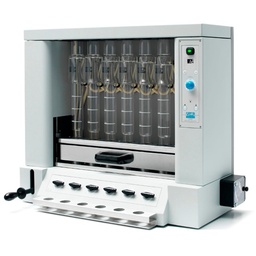
FIWE 3 and FIWE 6 are fiber analyzers suitable for raw fiber extraction, conventionally known as an indigestible residue. Rapid analysis, reliable results and high reproducibility are some of the most relevant benefits of these units which are ideal for the following applications:
- the Weende method, the oldest analytical procedure still in use today, in which fiber concentration is measured as crude fiber (CF)
- the Neutral Detergent Fiber (NDF), a method developed by Van Soest, now the most common measure of fiber used for animal feed analysis
- Acid Detergent Fiber (ADF), a portion of the plant fiber and includes cellulose, lignin and variable amounts of xylans.
- Acid Detergent Lignin (ADL) determination and Wijkstrom technique, a modification of the Weende method
High Reliability, Single or Multiple Extractions
Perform single or multiple extractions including boiling, rinsing and filtration steps with the maximum reproducibility available.
No sample transfer prevents any possible sample loss, as crucibles can also be used as sample vessels during weighing, drying and washing.
Pre-heat the reagents with RC2 hot plate (included), and pour them directly into the system.
No transfer and sample loss

In order to prepare the sample for fiber analysis, COEX ensures rapid fat extraction directly into the same glass crucibles used by the FIWE series.
The crucible, containing the defatted sample, is transferred directly to the FIWE analyzer, eliminating.
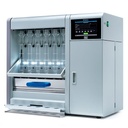
Fully Automatic Crude and Detergent Fiber
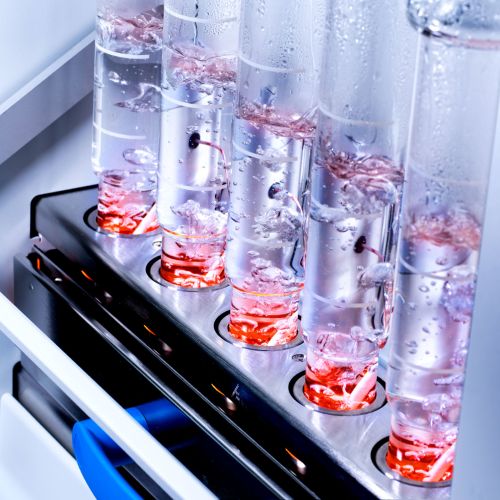
Accurate and reproducible results are what a scientist of the animal feed industry needs for fiber determinations to meet the requirements of product labeling and quality control.
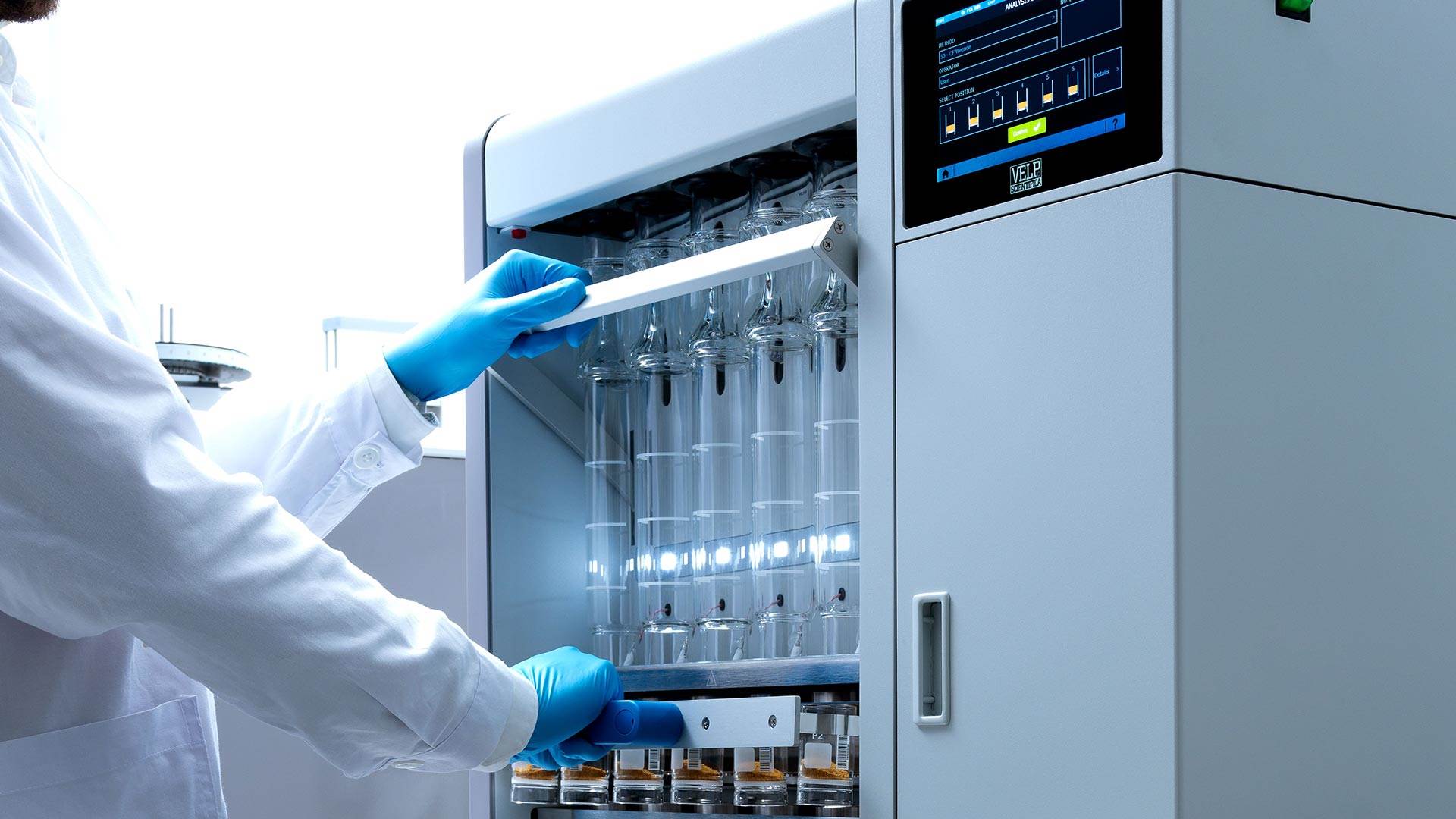
The FIWE Advance automates digestion, washing and filtration steps guaranteeing consistency for Crude Fiber with Weende Method and Detergent Fiber for fiber fraction with Van Soest Method NDF, ADF and ADL.
Compliance and consistency
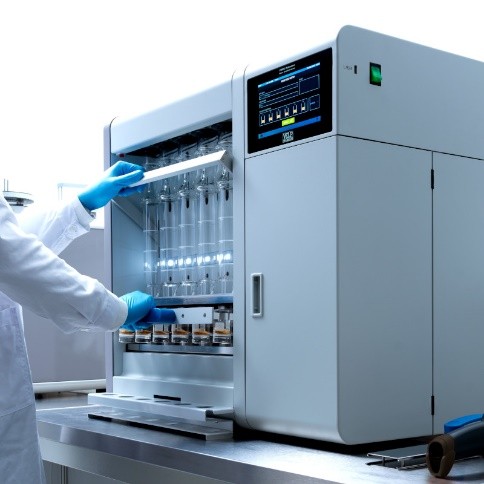
FIWE Advance produces accurate results that always comply with official ISO and AOAC methods for both Crude Fiber and Detergent Fiber.
In addition, the FIWE Advance method using crucibles avoids the loss of fibre due to the transfer of the sample which remains in the crucible for the duration of the analytical procedure.
The sample in fact remains inside the crucibles during the extraction, digestion, washing and filtration phases, and also during weighing and finally for drying and ashing eliminating the risks of error.
Load the samples and go
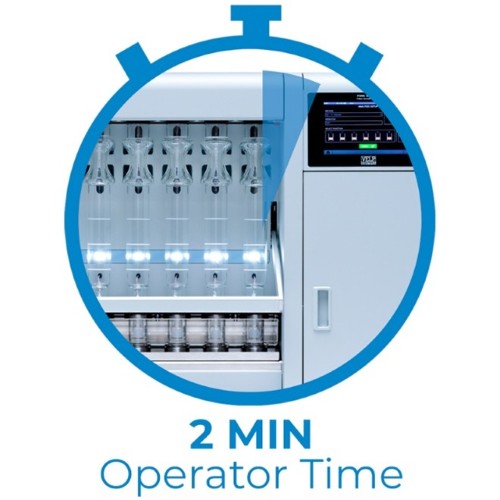
FIWE Advance saves you valuable time by reducing costs and improving your lab's productivity.
FIWE Advance requires only 2 minutes of operator time compared to more than 50 minutes/operator of a semi-automatic solution.
You will no longer need to preheat and pour chemicals into the columns, manage the temperature for proper boiling, or make sure the filtration is successful.
With FIWE Advance all these operations are automatic and thanks to the cloud connection you are always informed with immediate notifications.
Filtration rapide et efficace
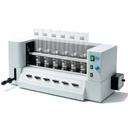
Le CSF6 est idéal pour une filtration efficace, une fois que les échantillons ont été traités par le digesteur enzymatique GDE.
Cette combinaison VELP permet d'effectuer l'analyse conformément à la méthode officielle AOAC (Détermination des fibres alimentaires totales) avec une réduction considérable du temps nécessaire par rapport à la procédure manuelle.
L'unité de filtration CSF6 est capable de traiter un ou plusieurs échantillons simultanément, jusqu'à un maximum de 6 échantillons à la fois, en moins de 20 minutes, même à pleine charge.
Unité de filtration fiable
La pompe hautement efficace permet d'accélérer l'étape de filtration et le lavage final.
De l'air comprimé peut également être injecté par le bas pour éliminer tout échantillon accumulé dans le filtre du creuset, ce qui affecte la qualité de la filtration.