Analis Academy - Beyond the Spin: The Art and Science of EV Isolation and Characterisation
ANALIS ACADEMY


Isolating EVs is easy. Isolating EVs you can trust is not.
Every EV researcher knows the frustration: a protocol that works beautifully in one lab, but not in yours. Co-isolated lipoproteins that complicate downstream proteomics. A density gradient that takes hours of hands-on work to prepare, and still introduces variability. Downstream characterisation data that raises more questions than it answers.
Beyond the Spin is a one-day scientific session dedicated to what happens between the sample and the data: how isolation strategy, centrifugation design and characterisation choices are not three separate steps, but parts of one interconnected workflow.
Throughout the day, experts from UGent LECR (Laboratory of Experimental Cancer Research), VIB-UGent Center for Inflammation Research, Beckman Coulter Life Sciences and Analis will share practical, transferable insights — from gradient planning and contaminant removal, to rotor selection and flow cytometry for EVs and other sub-micron particles.
The programme will also include a hands-on demonstration of the OptiMATE Gradient Maker, showing how automated gradient preparation can help reduce manual handling and improve consistency in density-gradient workflows.
Real science, real protocols, real trade-offs, real questions.
WHAT YOU WILL TAKE HOME
- Understand the principles behind the spin: Learn how ultracentrifugation separates particles, from differential sedimentation and rate-zonal separation to buoyant-density and equilibrium approaches and understand how to select the right principle for your EV workflow.
- Take the principles back to your own workflow: Leave with a framework for choosing and designing an ultracentrifugation strategy based on what you want to separate, why you want to separate it, and what you need to do with the sample afterwards.
- Differential versus density gradient ultracentrifugation (matching the method to your sample)
- Rotor selection and its concrete effect on recovery and purity
- Characterisation of sub-micron particles by flow cytometry, including where the technique reaches its limits
- Sample preparation and workflow considerations specific to EV research
- Meet the EV community: A full day with peers from Flemish and international research groups and core facilities. Lunch and coffee breaks designed for conversation.
WHO SHOULD ATTEND
- PhD students & postdocs working on EVs, exosomes or sub-micron particles
- Principal Investigators building or refining an EV workflow
- Core facility managers & technicians (centrifugation, flow cytometry, imaging, proteomics)
- Biotech R&D scientists developing EV-based diagnostics or therapeutics
Expected level: intermediate to advanced. Prior hands-on experience with EV isolation is helpful but not required.
PROGRAM
08.45 - 09.15
Welcome & Registration
09.15 - 10.10
Opening Scientific Session
Navigating the storm: A guide to extracellular vesicle analysis
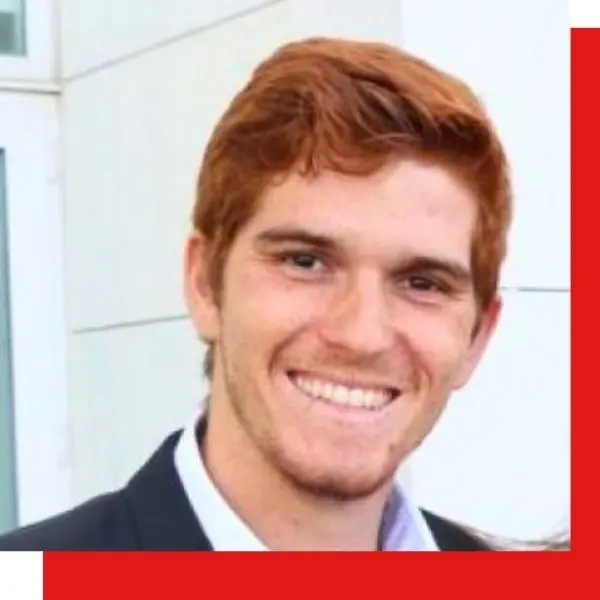
Cláudio Pinheiro, UGent LECR (Laboratory of Experimental Cancer Research)
PhD, is a postdoctoral researcher at the Laboratory of Experimental Cancer Research, Ghent University, Belgium. His research focuses on extracellular vesicle (EV) biology, with a particular emphasis on developing tools and standardized workflows that improve rigor and reproducibility in the field and enable robust biomarker discovery. He completed his PhD at Ghent University as part of the Marie Skłodowska-Curie ITN TRAIN-EV consortium. He has received several international awards for his work, including ISEV’s Scholarship, Best Oral Presentation at ISEV 2025 in Vienna, and is actively involved in training the next generation of EV researchers through EMBO courses and international mentorship programs.
10.10 - 10.30
Coffee break
10.30 - 12.00
Two Sides of Centrifugation: Characterisation & Sample Preparation in Sync
Part 1: Planning Density Gradient Ultracentrifugation for Efficient Contaminant Removal
Part 2: Characterisation and Sample Preparation in Sync
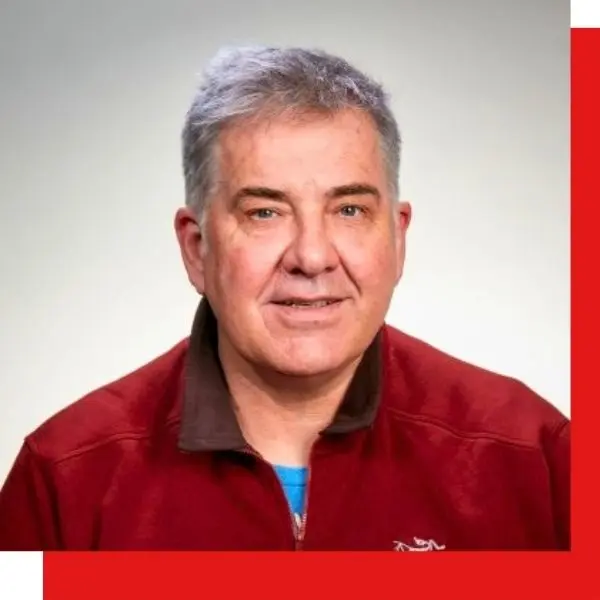
Lutz Ehrhardt, Beckman Coulter Life Sciences
Dr. Lutz Ehrhardt is an educated physicist who was pulled into biophysics by his interest in membrane transport and methods in biophysics. His scientific experience at the JWG University Frankfurt and the Max-Planck Institute for Biophysics includes membrane transport, membrane proteins, reconstitution, vesicles, lipid-protein- and protein-protein interactions and biophysical characterization. He is working at Beckman Coulter for > 25 years in different positions including Lab automation, Particle Characterization and Genetic Analysis and Protein Characterization. Actually he works as a Senior Marketing Manager with responsibility Cell health, Centrifugation & Analytical Ultracentrifugation.
12.00 - 13.00
Lunch & networking
13.00 - 14.00
Hands-on Demonstration — OptiMate Gradient Maker
Gradient preparation, rotor selection and workflow considerations for EV research
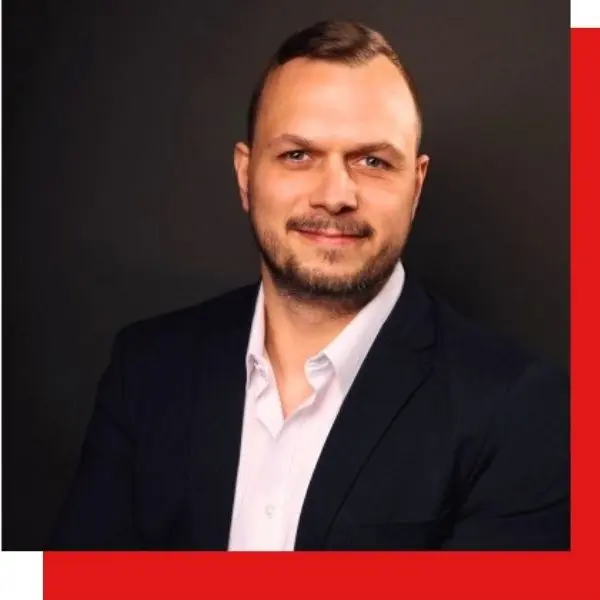
Lutz Ehrhardt, Beckman Coulter Life Sciences
Dr. Lutz Ehrhardt is an educated physicist who was pulled into biophysics by his interest in membrane transport and methods in biophysics. His scientific experience at the JWG University Frankfurt and the Max-Planck Institute for Biophysics includes membrane transport, membrane proteins, reconstitution, vesicles, lipid-protein- and protein-protein interactions and biophysical characterization. He is working at Beckman Coulter for > 25 years in different positions including Lab automation, Particle Characterization and Genetic Analysis and Protein Characterization. Actually he works as a Senior Marketing Manager with responsibility Cell health, Centrifugation & Analytical Ultracentrifugation.
Kurt Bello, Analis
14.00 - 14.30
No Dye Fits All: Illuminating the Challenges of Fluorescent Extracellular Vesicle Labeling
Cláudio Pinheiro, UGent LECR (Laboratory of Experimental Cancer Research)
PhD, is a postdoctoral researcher at the Laboratory of Experimental Cancer Research, Ghent University, Belgium. His research focuses on extracellular vesicle (EV) biology, with a particular emphasis on developing tools and standardized workflows that improve rigor and reproducibility in the field and enable robust biomarker discovery. He completed his PhD at Ghent University as part of the Marie Skłodowska-Curie ITN TRAIN-EV consortium. He has received several international awards for his work, including ISEV’s Scholarship, Best Oral Presentation at ISEV 2025 in Vienna, and is actively involved in training the next generation of EV researchers through EMBO courses and international mentorship programs.
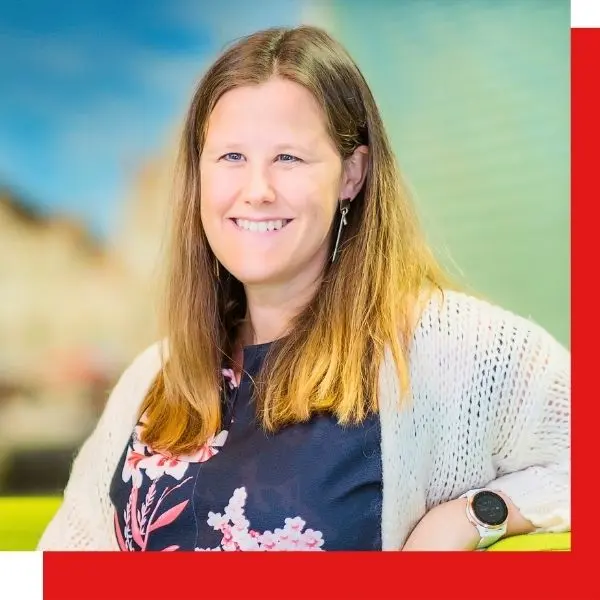
Katrijn Ghekiere, Analis
14.30 - 14.50
Coffee break
14.50 - 15.50
Closing Scientific Session
Extracellular Vesicles: Research Perspectives and Applications
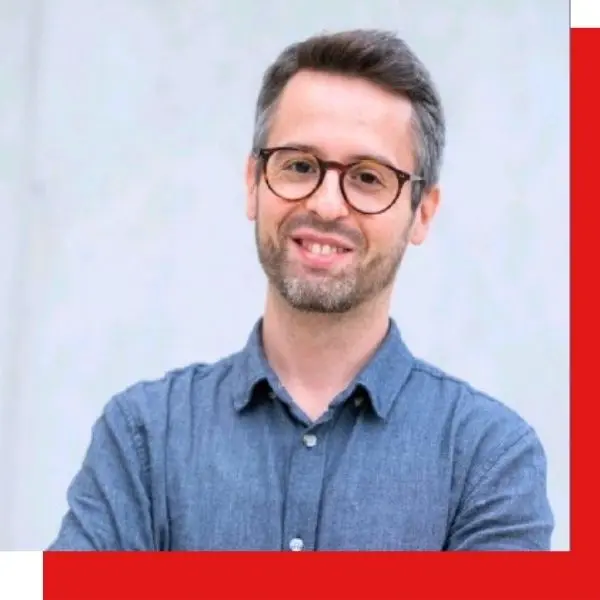
Cristiano Lucci, VIB-UGent Center for Inflammation Research
Cristiano Lucci is a senior postdoctoral researcher in the laboratory of Roos Vandenbroucke at the VIB-UGent Center for Inflammation Research. His current research focuses on the role of extracellular vesicles, including bacterial extracellular vesicles, in neurodegenerative disorders, with a particular focus on Parkinson’s disease. He investigates their potential contribution to disease processes, as well as their use as diagnostic biomarkers. During his PhD, he studied how microRNAs, including extracellular vesicle-associated microRNAs, regulate biological processes involved in axon development and neuronal connectivity