What Is a Microbial Air Sampler?
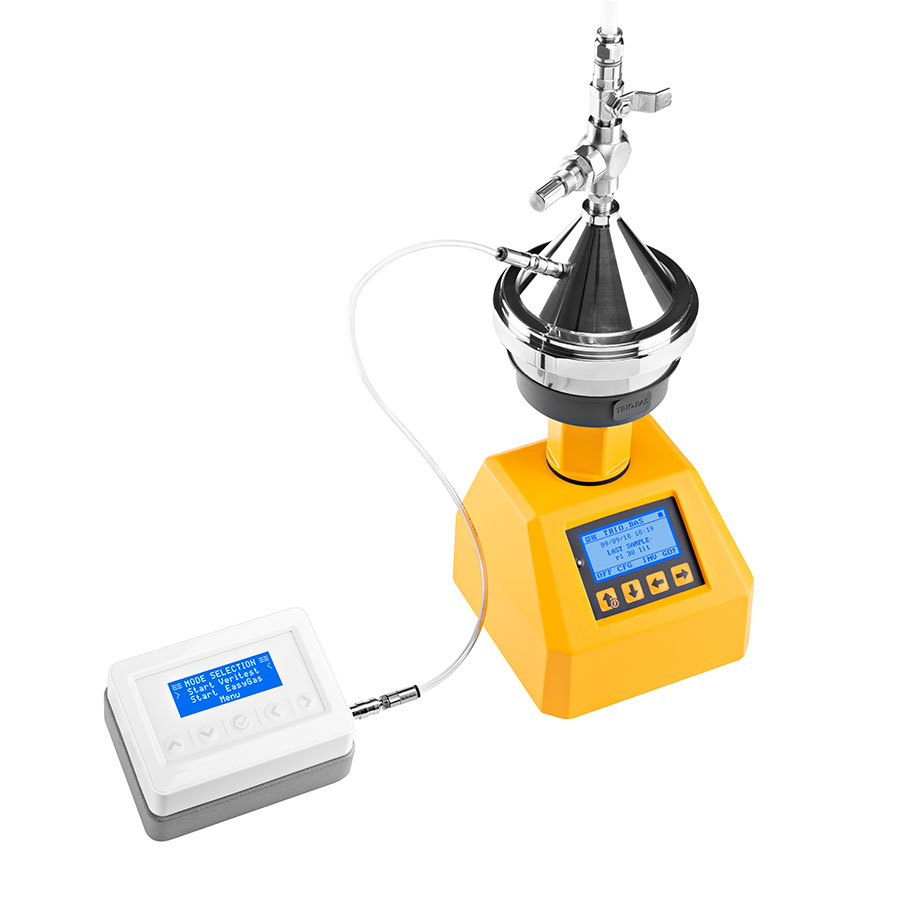
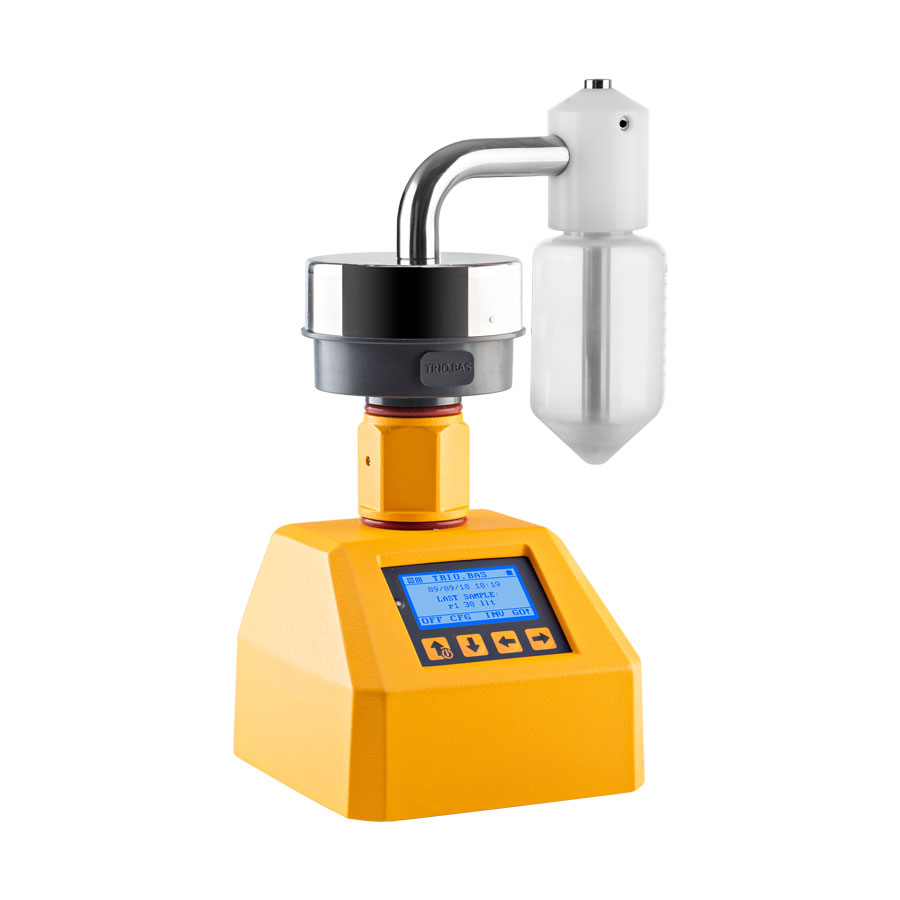
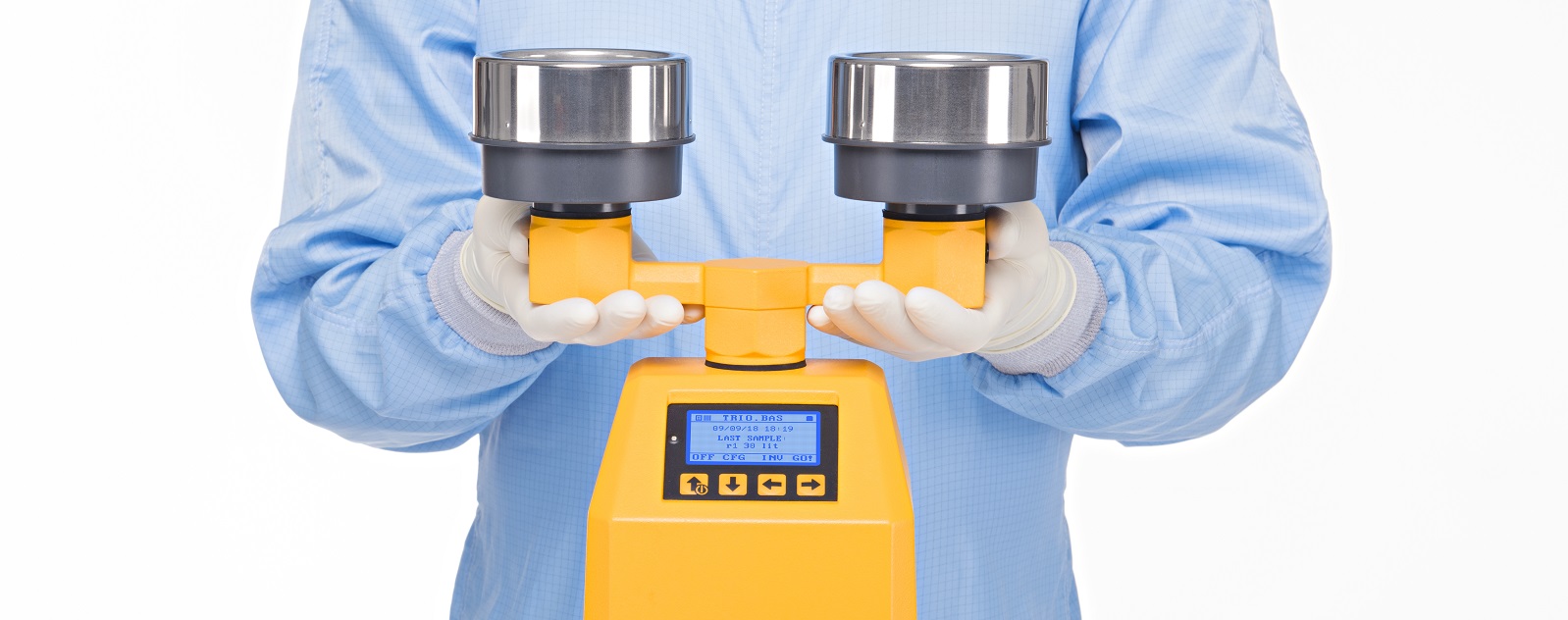
There are several types of microbial air samplers. The most widely used system is the impaction-based air sampler on agar plates, commonly referred to as an impactor.
This system consists of two main components:
- An air pump
- A sampling headpiece containing an agar plate
The pump draws air through a perforated cover into the headpiece. The airflow changes direction above the agar surface. Due to centrifugal force, airborne particles impact the agar and adhere to it.
Microorganisms rarely travel alone; they are typically associated with dust or aerosol particles. After sampling, the agar plate is incubated. Microorganisms multiply and form visible colonies that can be counted as colony-forming units (CFU).
Based on the sampled air volume, CFU per cubic meter can be calculated.
This method is the most commonly used approach for:
- Active air sampling
- Viable particle monitoring
Advantages of Impaction on Agar
For routine microbial air quality control, this method offers significant advantages.
Common monitoring parameters include:
- Total viable count (TVC)
- Total yeasts and molds
- In most controlled environments, expected CFU ranges are known. The objective is to measure cultivable microorganisms efficiently.
- Impaction on agar provides:
Direct sampling on plate
Simple incubation
Cost-effective detection
Broad regulatory acceptance
It remains one of the most practical and economical microbiological monitoring methods across pharmaceutical, biotech, food, and environmental sectors.
EU GMP Annex 1 — Air Monitoring Requirements
EU GMP Annex 1 governs sterile production in pharmaceutical and biotechnology environments. It includes a dedicated section on:
Viable and non-viable environmental & process monitoring.
Three types of air monitoring are defined:
1. Passive Sampling (Settle Plates)
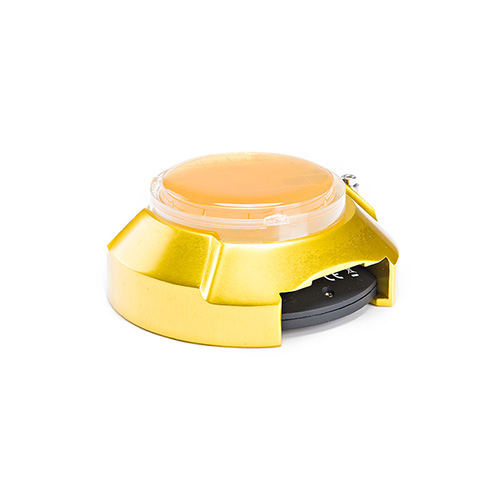
- Agar plates exposed for up to 4 hours
- Simulates real contamination conditions
- Plates incubated and colonies counted
2. Volumetric (Active) Air Sampling
- Typically performed using an impactor
- Standard: max 1000 L per plate at 100 L/min
- Continuous monitoring (e.g., 25 L/min) allows larger sampled volumes
- Provides quantitative CFU per air volume
3. Non-Viable Particle Monitoring
- Measurement of particles <0.5 µm and <5 µm
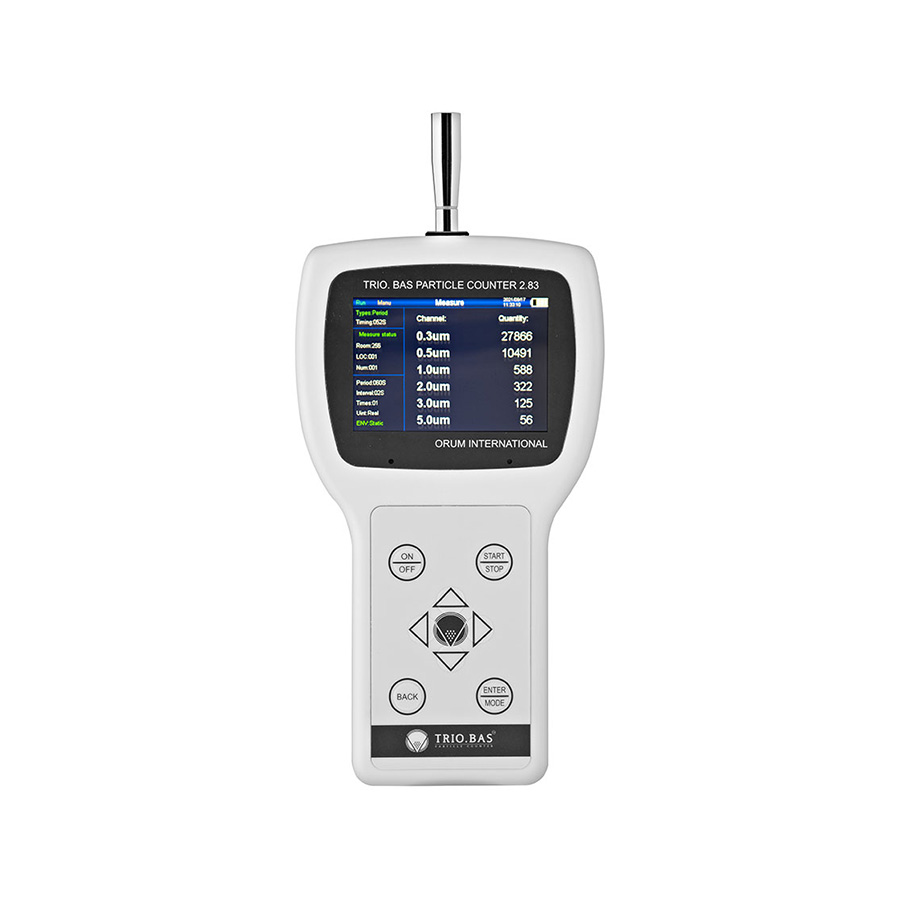
- Performed using particle counters
Threshold limits and sampling frequencies are defined for cleanroom grades A, B, C, and D. For Grade A zones, stainless steel samplers are required, often with satellite probes.
According to GMP Annex 1 §9.24:
Continuous viable air monitoring in Grade A areas must be performed throughout critical processing, including aseptic setup and operations.
A similar risk-based approach applies to Grade B.
Monitoring must:
- Capture interventions and transient events
- Detect system deterioration
- Avoid introducing contamination risks
During extended air sampling, agar media can progressively dehydrate.
Loss of moisture reduces nutrient availability, which may:
- Inhibit microbial growth
- Lead to underestimation of CFU
- Affect data reliability
To minimize dehydration during continuous monitoring:
- Use lower flow rate air samplers (e.g., 25 L/min)
- Use Petri dishes containing ≥ 30 mL agar medium
These measures help maintain culture integrity and ensure accurate colony counts.
Our products

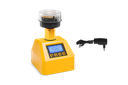
Including:
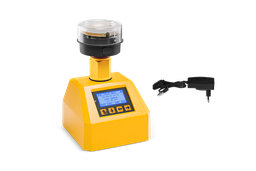
1x AIRBIO ONE BLUETOOTH Air sampler (100 lts/min) Petri 90 plate with Battery charger 100/240VCA 18VDC 859 mA with adapter for plug Eu/UK/USA - and CABLE for transfer data and 1 calibration certificate
1x s/s ASPI HEAD Petri plate
1x COVER HEAD s/s to protect ASPI HEAD
1x ROBUSTUS MEDIUM carrying case for ARBIO - 56x43x22h cm

Including:
1x AIRBIO ONE BLUETOOTH FILTER air sampler (100 lts/min) Petri plate with Battery charger 100/240VCA 18VDC 859 mA with adapter for plug SHUKO/UK/USA - and CABLE for transfer data, 1 box HEPA Filter and 1 calibration certificate
1x s/s ASPI HEAD Petri plate
1x COVER HEAD s/s to protect ASPI HEAD
1x ROBUSTUS MEDIUM carrying case for ARBIO - 56x43x22h cm
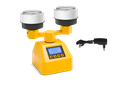
Including:
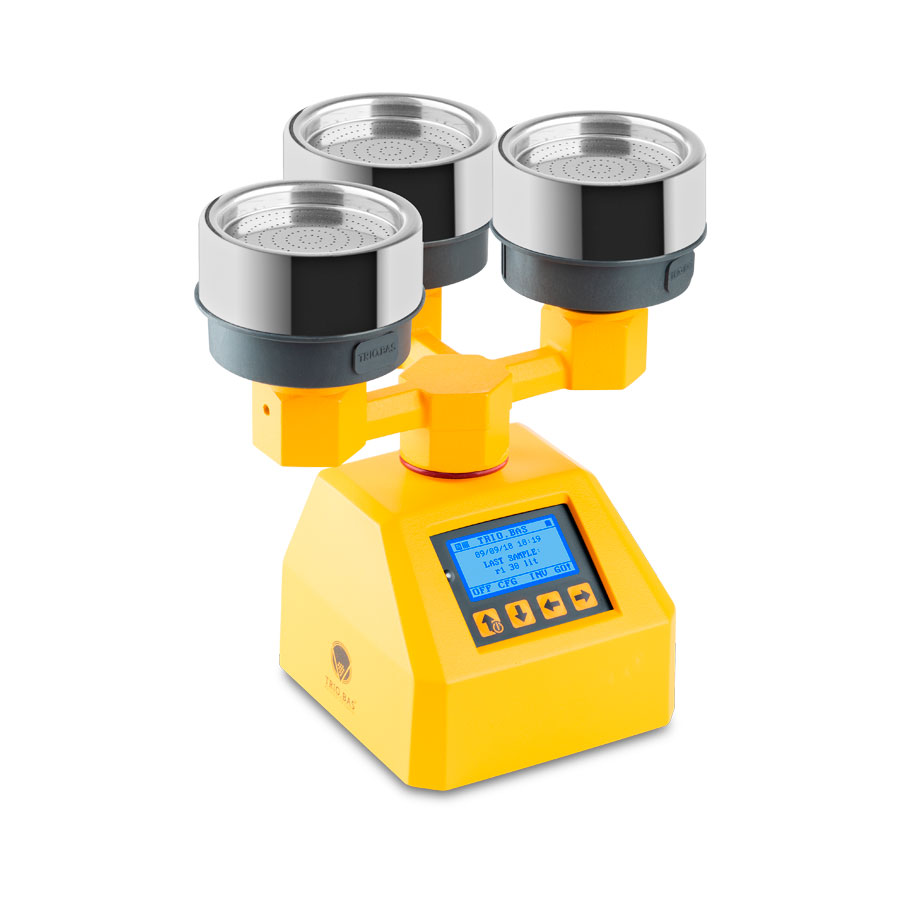
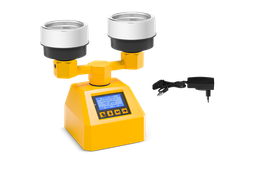
1x AIRBIO DUO BLUETOOTH Air sampler (100 lts/min) Petri 90 plate with Battery charger 100/240VCA 18VDC 859 mA with adapter for plug Eu/UK/USA - and CABLE for transfer data and 1 calibration certificate
2x s/s ASPI HEAD Petri plate
2x COVER HEAD s/s to protect ASPI HEAD
1x ROBUSTUS MEDIUM carrying case for ARBIO - 56x43x22h cm