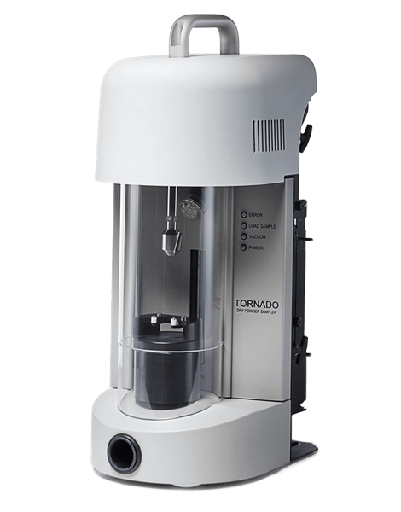
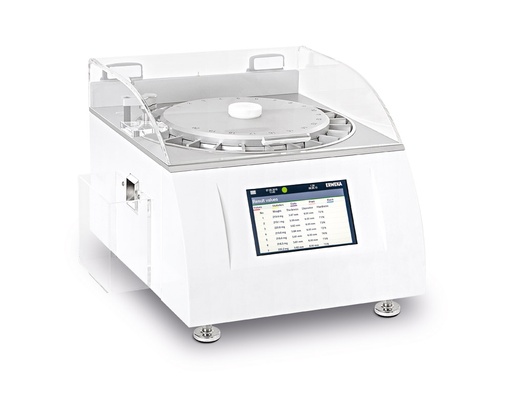
The dry powder system module delivers reliable results from 400 nm - 3500 µm for all types of homogeneous and heterogeneous samples that can be dispersed dry.
Analytical size range: 400 nm - 3500 µm
- Measures entire sample as required by the ISO 13 320 Standard
- Programmable Obscuration setting to optimize sample feed rate
- User-selectable vacuum pressure for maximum dispersion control
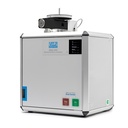
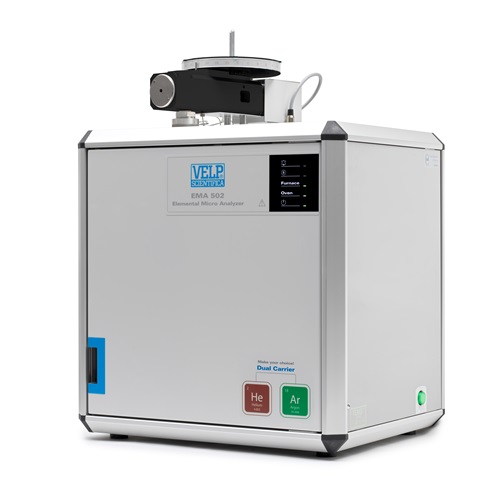
The all-in-one CHNS/O solution to broaden your analytical potential
The EMA 502 CHNS-O Elemental Analyzer accurately and reliably determines carbon, hydrogen, nitrogen, sulfur and oxygen across sectors: pharma and life science, organic chemistry, petrochemistry and energy, environmental, agronomy and food & feed.
The EMA 502 (ref. VEL-F30800100) elemental analyzer for carbon, hydrogen, nitrogen and sulfur — with an oxygen option — includes:
Start-up kit, cables for balance and PC, software, 30-position disc autosampler, kit for approx. 1000 analyses, argon option, 1-year ERMES license
CHNS-O analysis with the EMA 502 helps determine the structure of an unknown compound and assess the structure and purity of a synthesized one.
Following official reference methods, the EMA 502 performs CHNS and oxygen determination in minutes, with no add-ons or external modules.
The EMA 502 is a safe analyzer with no aggressive chemicals or time-consuming steps.
Set your next analysis and get a wealth of information from the sample.
EMA 502 Elemental Analyzer working principle
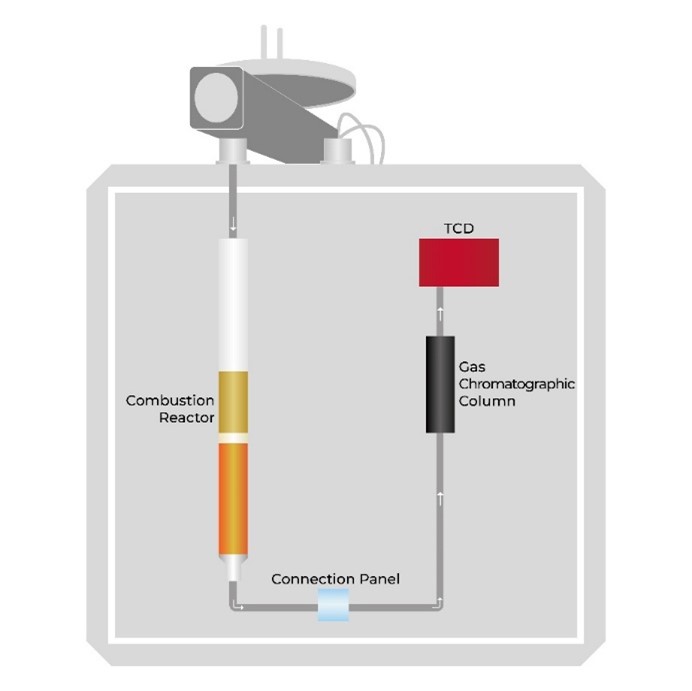
CHNS analysis begins with combustion of the sample in the VELP combustion furnace, above 1000 °C, to obtain elemental compounds.
VELP Vcopper™, a highly active copper powder, sits in the lower reactor to help reduce NOx to N2.
The flow then reaches the gas chromatography column oven, whose homogeneous, adjustable temperature fully separates the elements for final detection by TCD.
For oxygen analysis, the sample undergoes pyrolysis in the furnace, then passes through a chemical trap that absorbs all impurities before reaching the gas chromatography column and the TCD for detection.
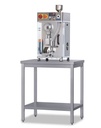
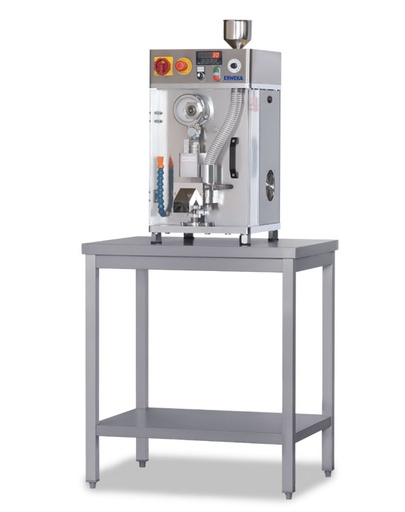
The EP-1 is the ideal desktop tablet press for R&D purposes. EP-1 single punch tablet press punch diameter up to 20 mm, up to 3 tons compression force, up to 17 mm filling depth, maximum 4.000 strokes/h throughput.
All components are either covered with hard chrome, or made of stainless steel AISI 304 or acrylic glass for the front door. Frame parts (plates) are made of 1.0332 StW22 and are bright chrome-plated.
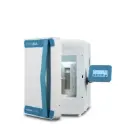
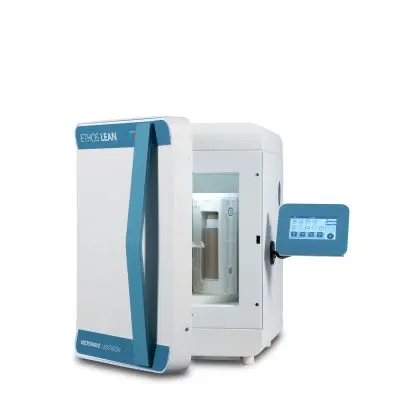
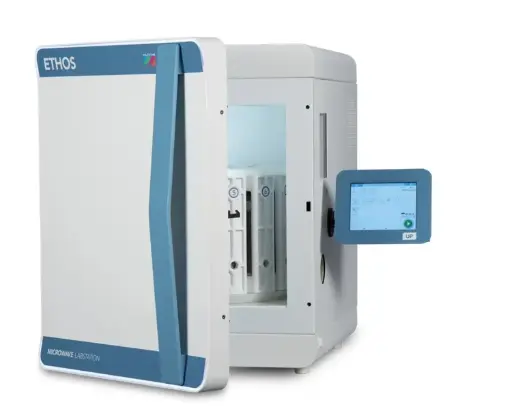
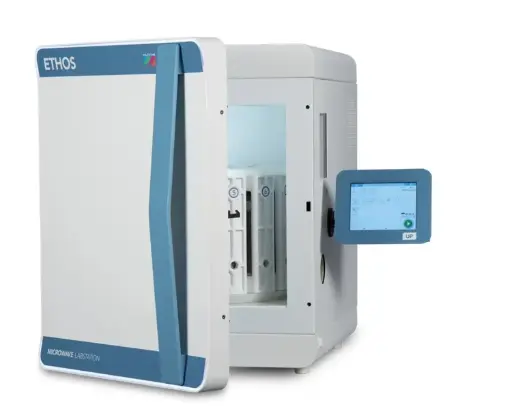
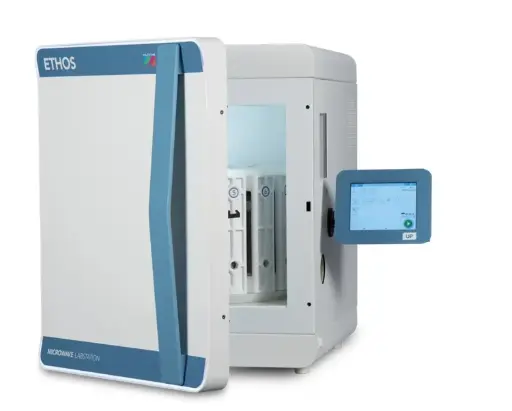
Achieve reliable microwave digestion in less laboratory space
Combine compact design with application flexibility
- Install professional microwave digestion capabilities in a compact footprint
- Process a wide range of samples with flexible rotor options
- Increase routine sample capacity with an easy-to-handle 14-position rotor
- Monitor sample temperature directly with easyTEMP
- Support safe and reliable operation with vent-and-reseal vessel technology
- Simplify daily operation with the easyCONTROL 3 interface
- Extend the platform to extraction and microwave synthesis with dedicated accessories
- Adapt the system as laboratory requirements evolve
Why choose ETHOS LEAN?
Find the right Milestone microwave solution
Simplify microwave digestion without compromising result quality
Simplify digestion while protecting result quality
- Select from hundreds of preloaded digestion applications
- Monitor sample temperature directly with easyTEMP
- Reduce contamination and loss of volatile elements with closed-vessel digestion
- Adapt the system to different samples with a choice of rotors
- Support regulated workflows with FDA 21 CFR Part 11-compliant software
- Access application methods and technical resources through Milestone Connect
Why choose the Easy configuration?
Find the right Milestone microwave solution
Maximise control, connectivity and intelligent support
Manage demanding workflows with greater confidence
- Process demanding samples with advanced microwave digestion
- Monitor sample temperature directly with easyTEMP
- Visually monitor the digestion process with the SafeVIEW camera
- Connect a balance to support sample preparation and data handling
- Manage methods and processes through a 10.1-inch touchscreen
- Support regulated workflows with FDA 21 CFR Part 11-compliant software
- Access Milestone Connect directly from the terminal
- Use the MAIA AI Agent for guidance on methods, maintenance, troubleshooting and consumable handling
- Configure the platform with rotors and accessories for digestion and other microwave sample-preparation applications
Why choose the Plus configuration?
Find the right Milestone microwave solution
Gain greater control over microwave digestion workflows
Improve process visibility and workflow control
- Process demanding samples with advanced microwave digestion
- Monitor sample temperature directly with easyTEMP
- Visually monitor the digestion process with the SafeVIEW camera
- Connect a balance to support sample preparation and data handling
- Select methods from the built-in application library
- Support regulated workflows with FDA 21 CFR Part 11-compliant software
- Adapt the system with a wide range of rotors and accessories
- Access applications, documentation and support through Milestone Connect
Why choose the Up configuration?
Find the right Milestone microwave solution
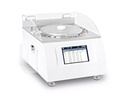
EasyCheck is the new entry-level tablet combination tester that tests for up to 5 parameters.
The compact system is 100 % compliant with all common pharmacopoeias, and excels, above all, through innovative design features and a clear focus on essentials.
Its integrated load cell automatically weighs samples, the Oblong Slider automatically brings evenly shaped oblongs into perfect alignment and the intuitive touch display allows storage of up to 100 products/methods.
EasyCheck offers a test memory for up to 1 million test results directly on the unit – enabling results from earlier tests to be re-called whenever required.
In addition, extensive integrated calibration functions and the Audit Trail Light feature (logging What, Who, When) ensures that you have access to precise test results and extensive documentation of all working steps - highest user convenience combined with powerful functionality.
Optionally the EasyCheck offers a data export function to CSV and XML format.
EasyCheck is your entry-level device for easy, fully automatic and highly precise testing for up to 5 parameters!
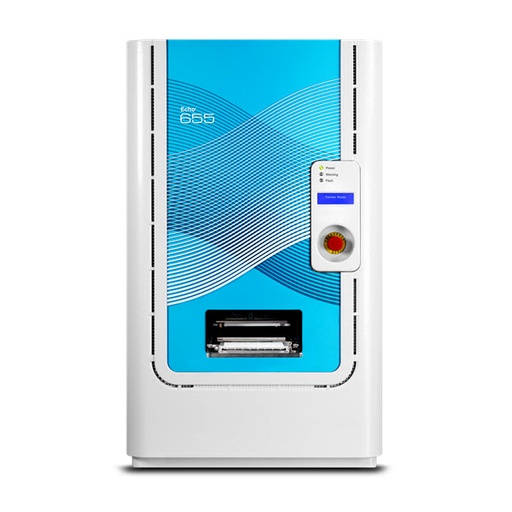
Tip-less and contact-free automated liquid dispensing solution for NGS, synthetic biology, proteomics, drug discovery, sample management, and functional screening workflows.
Enables assay miniaturization through precise nanoliter-scale transfers
Allows for fast any-well-to-any-well transfers to speed up DNA/RNA normalization, barcoding, and pooling of libraries
Eliminates dependency on single use plastic pipette tips for sustainability.
Includes:
> 1 Echo 655 Liquid Handler with barcode readers (set of 2, for short side reads)
> Accessory Kit Chiller
> 1 USB drive containing ECHO v3 Server Software and user manual
> Screening and Omics Liquid Classes
> Standard Drop Placement Verification Test
The Omics2 liquid class includes the transfer of aqueous based fluid types from Echo Qualified 384-well Polypropylene (PP) 2.0 and 384-well Low Dead Volume (LDV) source plates. Scrn2 liquid class enables the transfer of 70-100% DMSO from Echo Qualified 384-well Polypropylene (PP) 2.0, 384 well Low Dead Volume (LDV), and 1536-well Low Dead Volume (LDV) source plates.
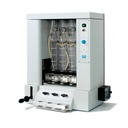
Crude Fiber, Neutral & Acid Detergent Fiber
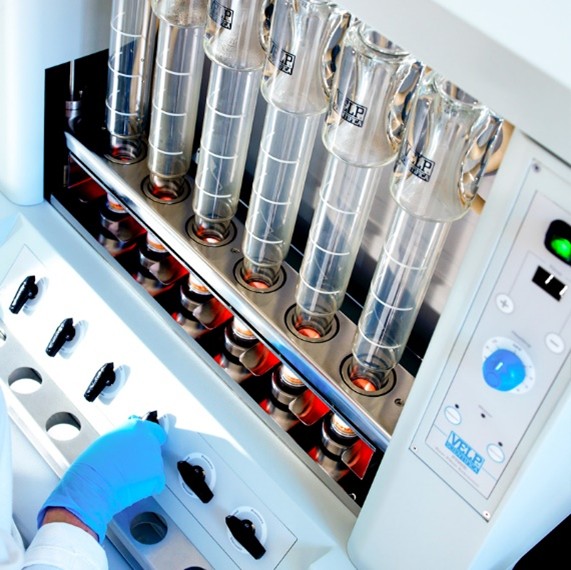
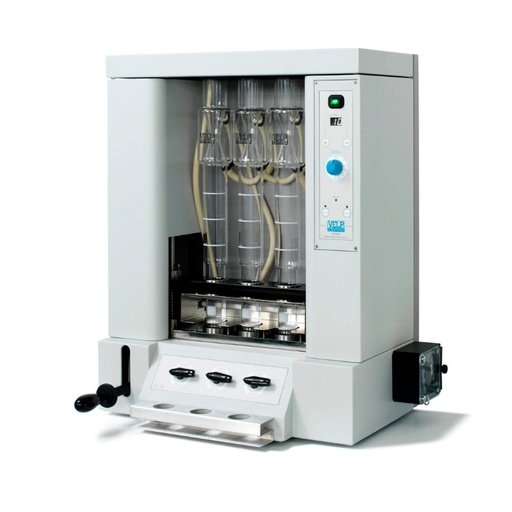
FIWE 3 (like the FIWE 6) is a fiber analyzer suitable for raw fiber extraction, conventionally known as an indigestible residue. Rapid analysis, reliable results and high reproducibility are some of the most relevant benefits of these units which are ideal for the following applications:
- the Weende method, the oldest analytical procedure still in use today, in which fiber concentration is measured as crude fiber (CF)
- the Neutral Detergent Fiber (NDF), a method developed by Van Soest, now the most common measure of fiber used for animal feed analysis
- Acid Detergent Fiber (ADF), a portion of the plant fiber and includes cellulose, lignin and variable amounts of xylans.
- Acid Detergent Lignin (ADL) determination and Wijkstrom technique, a modification of the Weende method
High Reliability, Single or Multiple Extractions
Perform single or multiple extractions including boiling, rinsing and filtration steps with the maximum reproducibility available.
No sample transfer prevents any possible sample loss, as crucibles can also be used as sample vessels during weighing, drying and washing.
Pre-heat the reagents with RC2 hot plate (included), and pour them directly into the system.
No transfer and sample loss
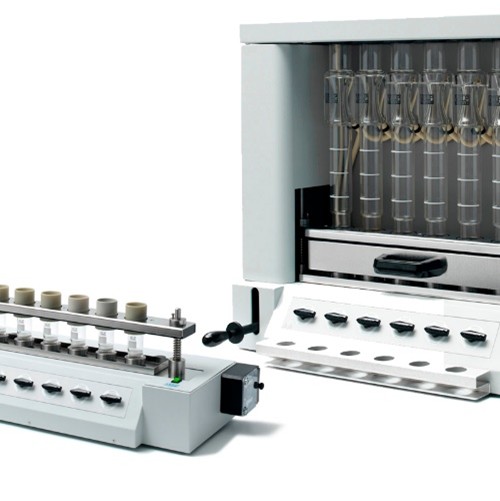
In order to prepare the sample for fiber analysis, COEX ensures rapid fat extraction directly into the same glass crucibles used by the FIWE series.
The crucible, containing the defatted sample, is transferred directly to the FIWE analyzer, eliminating.
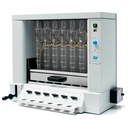
Crude Fiber, Neutral & Acid Detergent Fiber

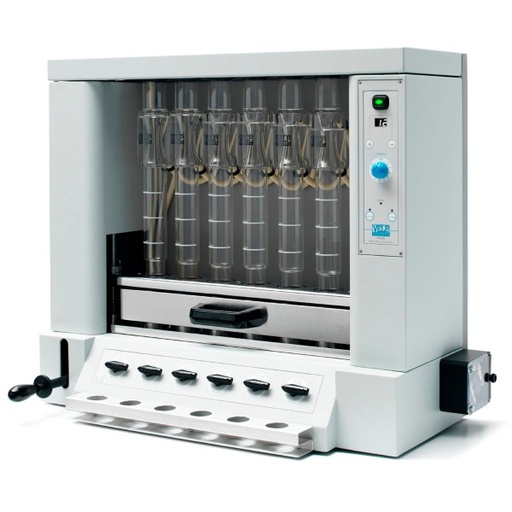
FIWE 3 and FIWE 6 are fiber analyzers suitable for raw fiber extraction, conventionally known as an indigestible residue. Rapid analysis, reliable results and high reproducibility are some of the most relevant benefits of these units which are ideal for the following applications:
- the Weende method, the oldest analytical procedure still in use today, in which fiber concentration is measured as crude fiber (CF)
- the Neutral Detergent Fiber (NDF), a method developed by Van Soest, now the most common measure of fiber used for animal feed analysis
- Acid Detergent Fiber (ADF), a portion of the plant fiber and includes cellulose, lignin and variable amounts of xylans.
- Acid Detergent Lignin (ADL) determination and Wijkstrom technique, a modification of the Weende method
High Reliability, Single or Multiple Extractions
Perform single or multiple extractions including boiling, rinsing and filtration steps with the maximum reproducibility available.
No sample transfer prevents any possible sample loss, as crucibles can also be used as sample vessels during weighing, drying and washing.
Pre-heat the reagents with RC2 hot plate (included), and pour them directly into the system.
No transfer and sample loss

In order to prepare the sample for fiber analysis, COEX ensures rapid fat extraction directly into the same glass crucibles used by the FIWE series.
The crucible, containing the defatted sample, is transferred directly to the FIWE analyzer, eliminating.
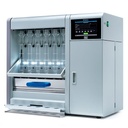
Fully Automatic Crude and Detergent Fiber
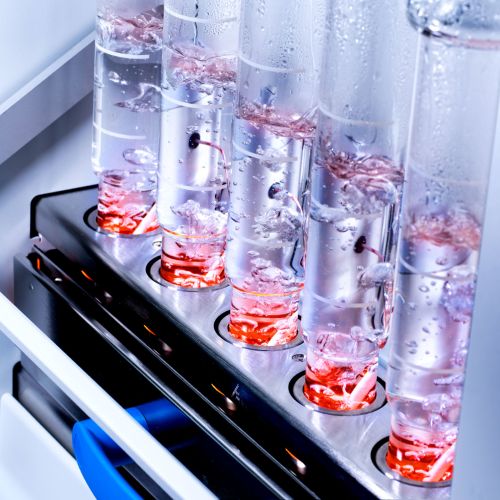
Accurate and reproducible results are what a scientist of the animal feed industry needs for fiber determinations to meet the requirements of product labeling and quality control.
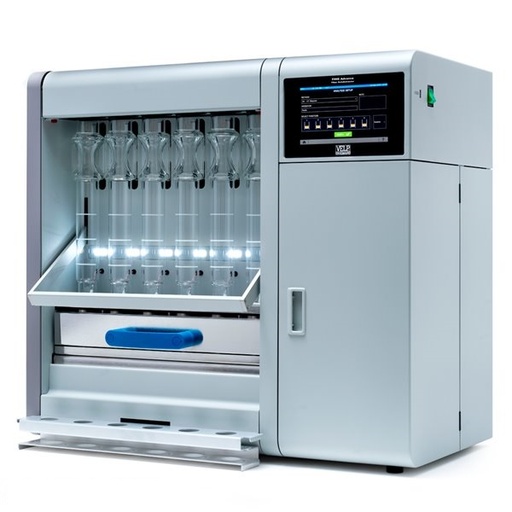
The FIWE Advance automates digestion, washing and filtration steps guaranteeing consistency for Crude Fiber with Weende Method and Detergent Fiber for fiber fraction with Van Soest Method NDF, ADF and ADL.
Compliance and consistency
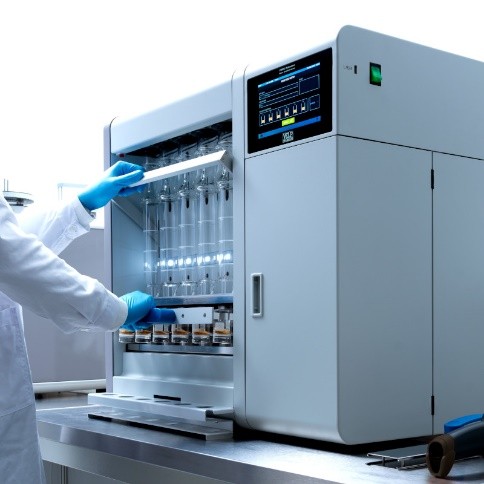
FIWE Advance produces accurate results that always comply with official ISO and AOAC methods for both Crude Fiber and Detergent Fiber.
In addition, the FIWE Advance method using crucibles avoids the loss of fibre due to the transfer of the sample which remains in the crucible for the duration of the analytical procedure.
The sample in fact remains inside the crucibles during the extraction, digestion, washing and filtration phases, and also during weighing and finally for drying and ashing eliminating the risks of error.
Load the samples and go
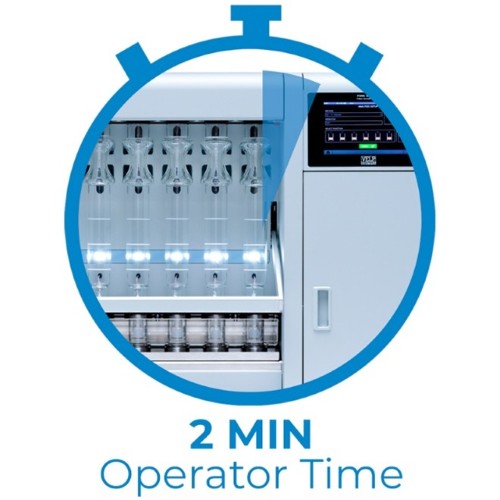
FIWE Advance saves you valuable time by reducing costs and improving your lab's productivity.
FIWE Advance requires only 2 minutes of operator time compared to more than 50 minutes/operator of a semi-automatic solution.
You will no longer need to preheat and pour chemicals into the columns, manage the temperature for proper boiling, or make sure the filtration is successful.
With FIWE Advance all these operations are automatic and thanks to the cloud connection you are always informed with immediate notifications.