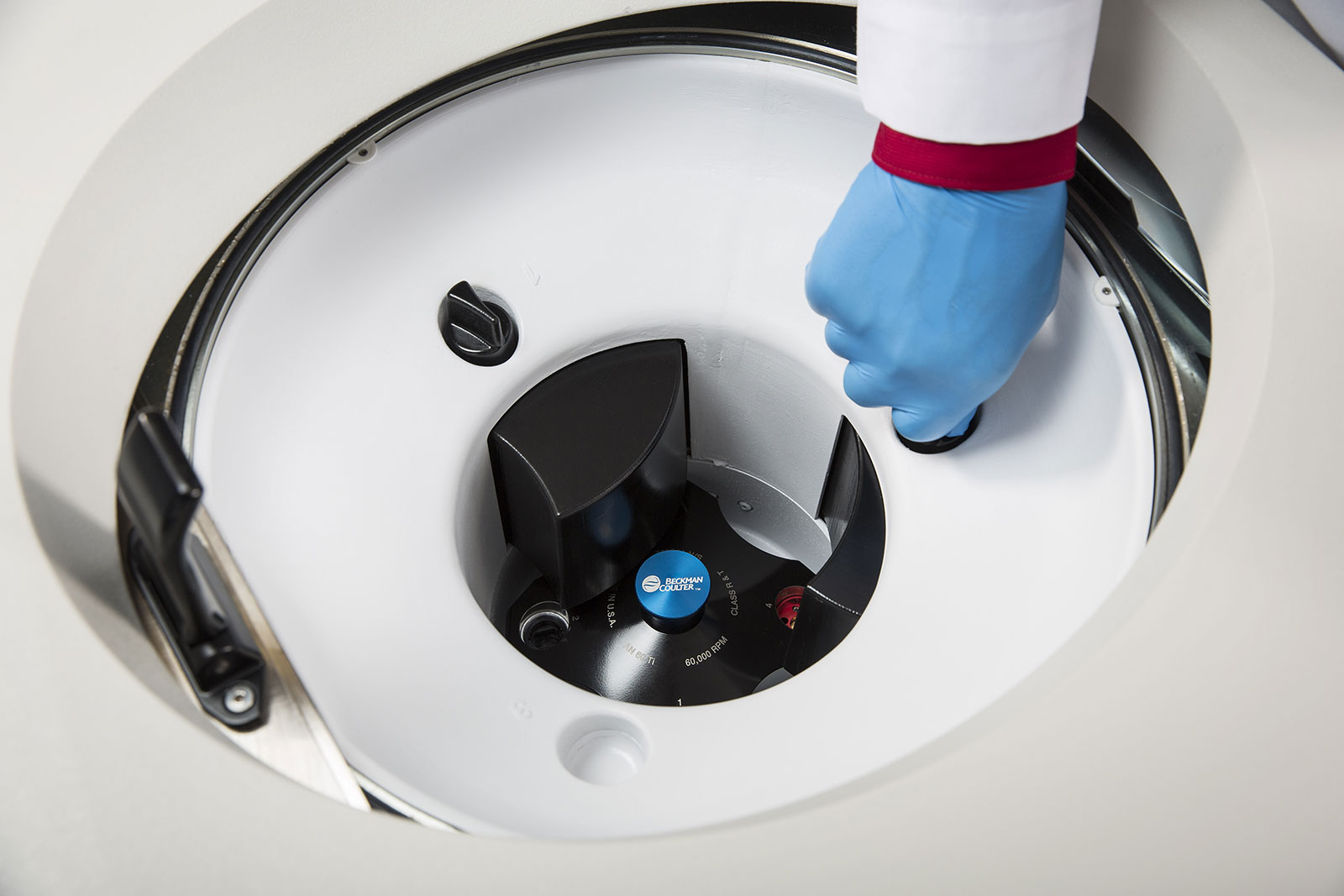
Enhancing Macromolecule Characterization: Reliable Insights with the Optima™ AUC System
Beckman Coulter introduced the first analytical ultracentrifugation (AUC) instrument to support the scientific community in advancing discovery. This legacy continues today with the Optima™ AUC, the most robust technology available for determining protein molecular weight and quantifying aggregation levels in both academic and biopharmaceutical research.
AUC is also recognized as an orthogonal method for characterizing exosomes, AAV particles, viral vectors, and virus load.
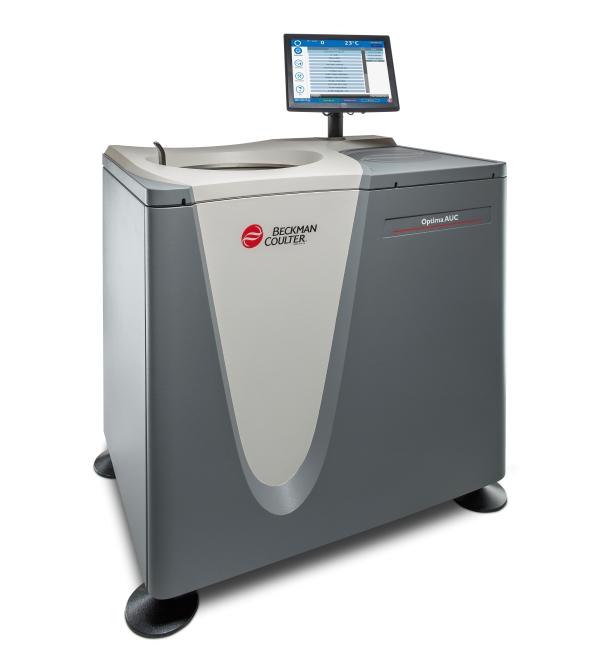
Optima™ AUC
Enables sample characterization in their native state
A specialized ultracentrifuge with unique detection capabilities
Monitors a broad spectrum of particles
No standards required, relying entirely on the first principles of thermodynamics
Want to learn more about analytical ultracentrifugation? Explore our AUC Resources Section for deeper insights.
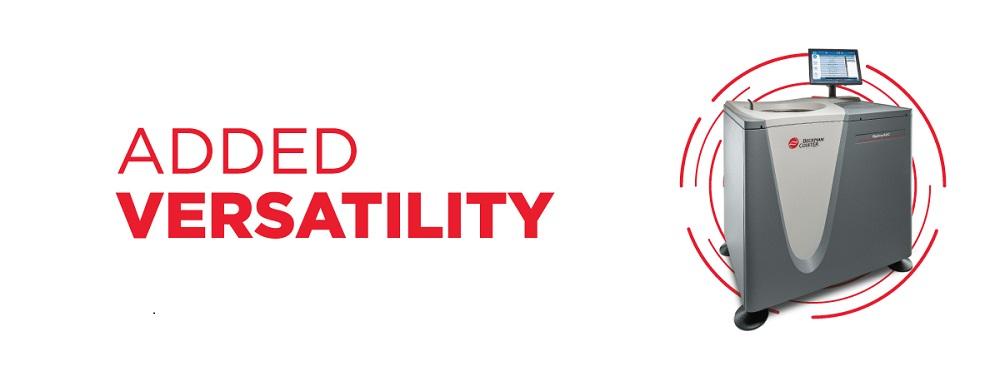
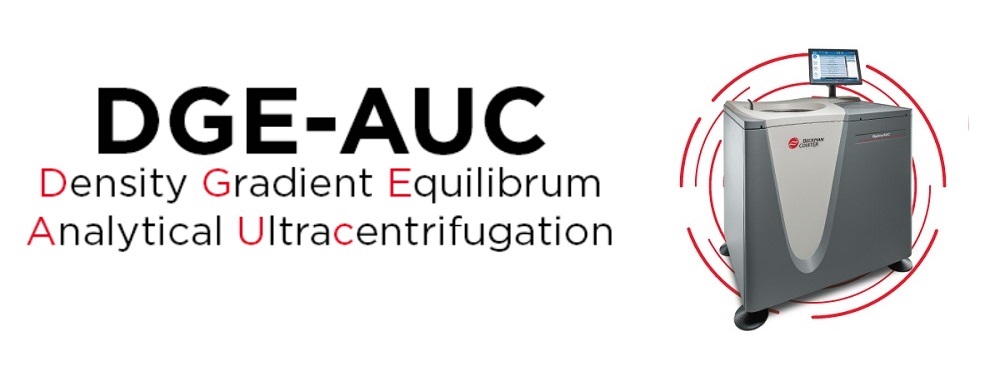
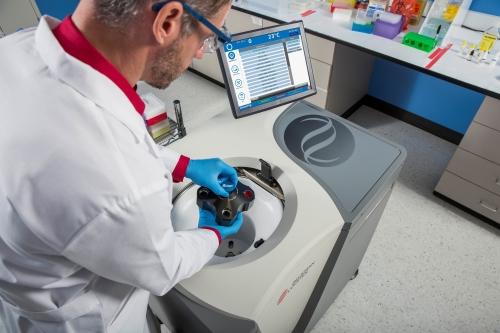
Multiple Orthogonal Techniques in One Instrument
The Optima AUC is a versatile laboratory tool capable of using:
Sedimentation Velocity (SV)
Density Gradient Equilibrium (DGE)
Analytical Band Centrifugation (ABC)
Sedimentation Equilibrium (SE)
Each technique operates under different physical principles and delivers complementary information. The system gives you the flexibility to select the experiment type(s) that match the question you need to answer.
For example, an AAV workflow may use:
- DGE for rapid, high-throughput quantification of particle fullness in in-process samples
- SV for high-resolution data essential for final lot release, including aggregation analysis
With the Optima AUC, the same hardware is used across methods—making it your all-in-one separation toolbox.
Exploring the Potential of Lipid-Based Drug Delivery Systems
Lipid nanoparticles (LNPs) have transformed the delivery of bioactive molecules such as oligonucleotide-based vaccines and gene therapies. They provide improved stability, enhanced bioavailability, and optimized biodistribution.
Analytical ultracentrifugation enables the analysis of LNPs in their native, matrix-free state, providing essential data on:
- morphology
- mass
- diameter
- heterogeneity
- mRNA loading ratio
- purity
All Optima systems offer high radial resolution, outstanding signal-to-noise ratios, and rapid, precise analysis across discrete wavelengths—ideal for robust LNP formulation characterization.
We are pleased to introduce Beckman Coulter Life Sciences’ whitepaper:
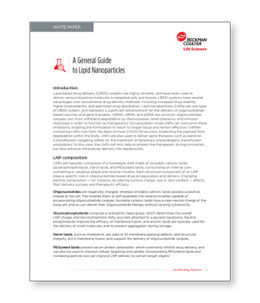
A General Guide to Lipid Nanoparticles
This comprehensive guide explores the advantages of LNPs and their roles in delivering mRNA, siRNA, and pDNA. Learn how LNPs can overcome degradation, renal clearance, and immune responses to enable effective, targeted therapies.
LNPs played a pivotal role in COVID-19 vaccine development by protecting mRNA from degradation and ensuring therapeutic efficiency. They have also supported gene therapy delivery for conditions such as hereditary amyloidogenic transthyretin amyloidosis.
Our products
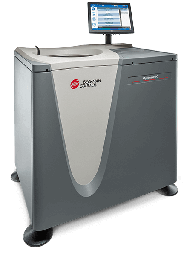
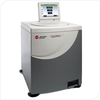
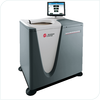
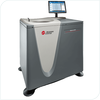
Optima AUC Analytical Ultracentrifuge package with Absorbance and Interference optics, Starter Kit (1 Counter balance, 1 Torque stand, 1 Quartz cell, 1 accessory kit) and 1 AN-50 rotor.
Beckman Coulter introduced the first AUC sample characterization instrument to help the scientific community power new discoveries. That tradition continues into the 21st century with the new Optima™ AUC system.
This latest tool is the most robust technology for providing data used to determine protein molecular weight in basic protein research and quantification of aggregation levels for academic and biopharma research.
Features :
Improved Data Quality
Higher radial resolution
Better signal to noise ratio than ProteomeLab
11x more vertical pixels for interference optics
Enables precise analysis of complex systems at discrete wavelengths (up to 20) in minimal time
Analyzes a wide array of particles in native, matrix-free conditions, including:
Proteins, Nanoparticles, LNPs, Peptides, Polymers, Micelles, Liposomes, Extracellular vesicles, Drug conjugates, Viral payload
Provides data which can answer more critical questions than any other comparable technique, including:
Shape, Mass, Diameter, Stoichiometry, Heterogeneity, Association, Aggregation, Purity, Formulation
Easier to Use
User-friendly touchscreen display indicates intuitive progression of experimental design.
Remote monitoring capabilities let you set up, monitor and extract data from virtually any location.
Compatibility with ProteomeLab XL cells and rotors
Toggle optics expedite workflow preparation.
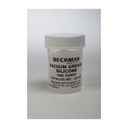
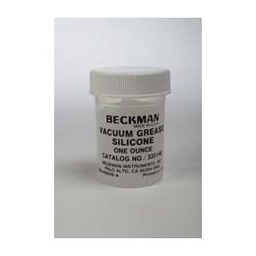
This vacuum grease is for o-ring lubrification. Lubrification will protect the o-ring and maintain efficiency of the closure systems.
Silicon vacuum grease is used on the O-rings of centrifuges and ultracentrifuges to:
- Prevent Sample Spillage and contamination:
The grease helps maintain a tight seal, preventing any sample from leaking out and ensuring no contaminants enter the system. - Maintain Vacuum:
In devices like ultracentrifuges that operate under vacuum, the grease helps maintain the vacuum conditions by preventing air leaks into the centrifuge vessel. This is crucial for the proper functioning of these machines.

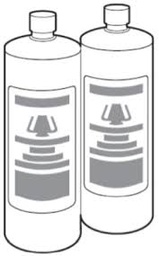
946-mL bottles of Solution 555™ Rotor Cleaning Concentrate, 1 qty; minimum order 2 bottles.
Under normal use, as part of the day-to-day care and maintenance program of the centrifuge rotors, wash the rotor frequently to prevent the build-up of residues.
Beckman Solution 555 (339555) is a mild and efficient detergent that won’t damage the rotors.
Related product categories
News

