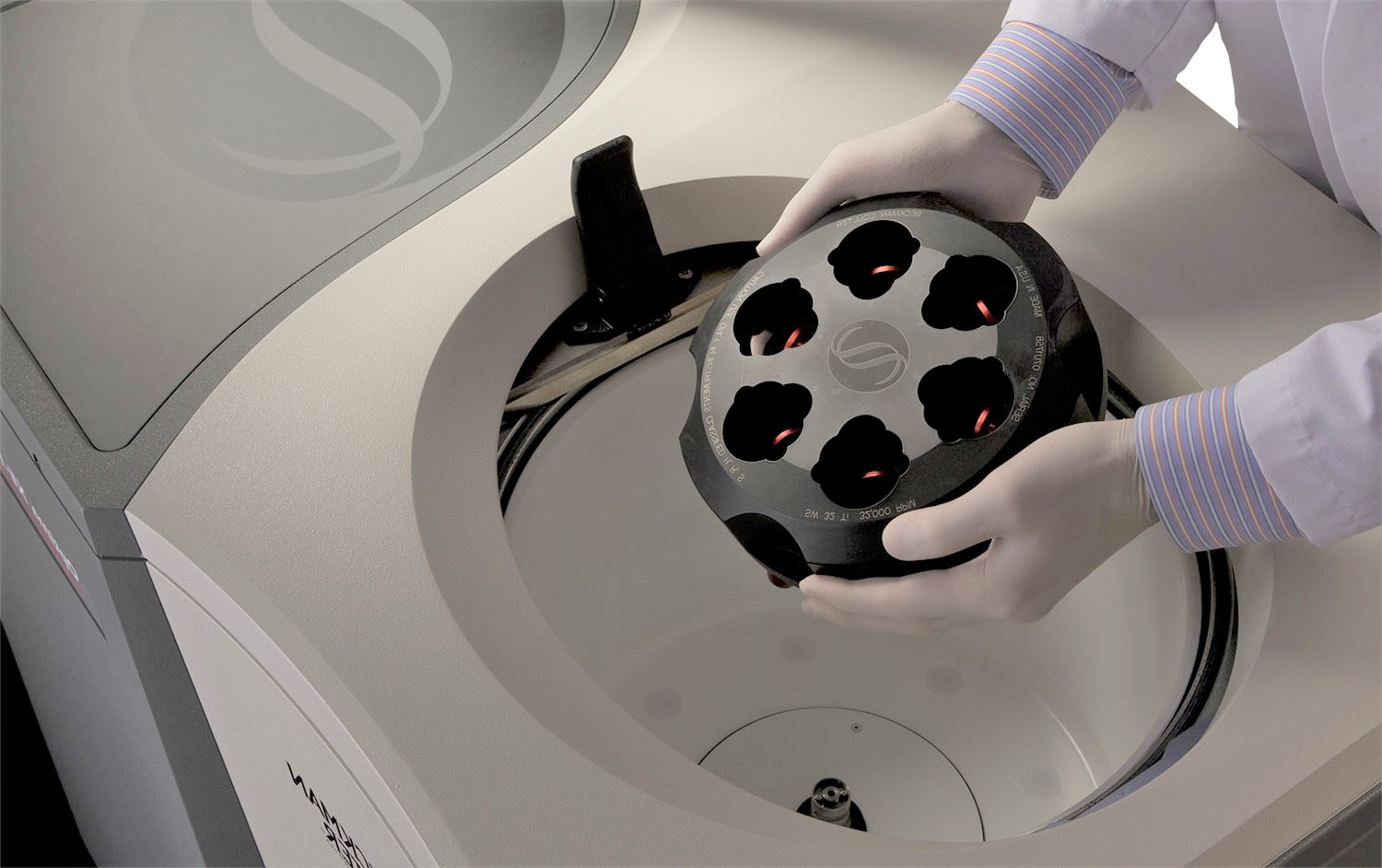
Beckman Coulter Ultracentrifuges: A Reference Since 1947
Beckman Coulter introduced the first commercial ultracentrifuge in 1947. Since then, its ultracentrifuge line has reached high levels of speed and sophistication while staying easy to use. Analis and Beckman Coulter are your long-term partners for safety, performance and high-quality service.
Different models cover a wide range of applications: choose benchtop or floor models with the right capacity and efficiency.
Compatible with extensive rotor and labware options, including multi-layered BioSafety* features for a safe, productive workspace.
Ensure maximum separation purity in the shortest possible time.
Your long-term assurance:
Efficiency and quality of the devices.
Analis local advice and support.
The advantages of our solutions for your business

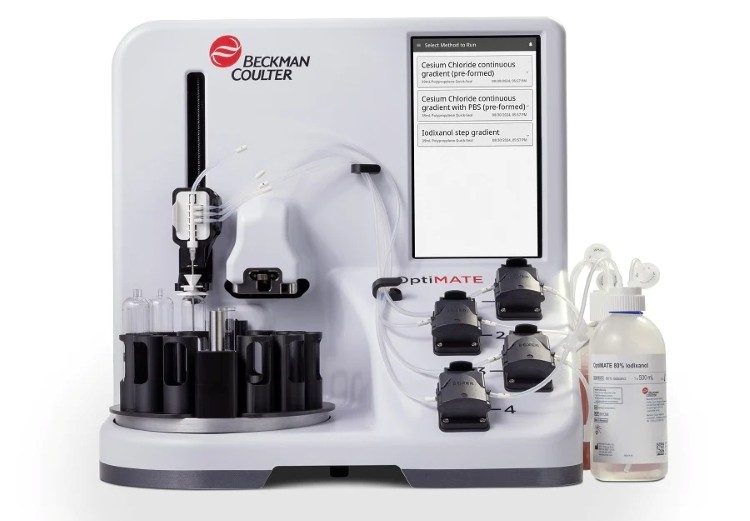
New: OptiMATE™ Gradient Maker
Automate your gradient preparation with OptiMATE™ and reduce run time by over 75%.
Reliable, standardized and intuitive — ideal for advanced purification workflows.
Our ultracentrifuges and solutions for your separation needs

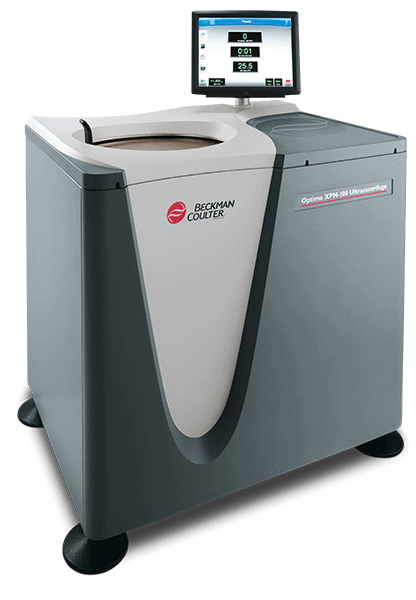
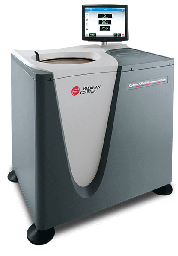
Floor ultracentrifuges: Optima XPN series
The Optima™ XPN is a top-tier ultracentrifuge. With networking and customizable security and tracking features for chain of custody and compliance, it offers multi-layered BioSafety* features for a safe, productive workspace.
Equipped with eXpert simulation software
Available in 100k, 90k and 80k RPM configurations
Compatible with extensive rotor and labware options
Backed by extensive service program options
Optima XPN-80 ultracentrifuge specifications
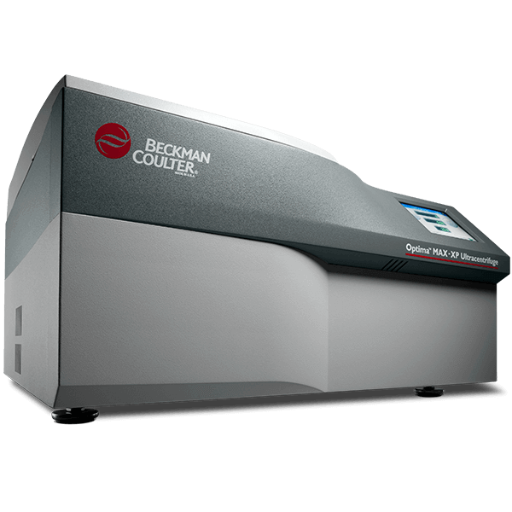
Benchtop ultracentrifuges: Optima MAX-XP series
The Optima™ MAX-XP tabletop ultracentrifuge delivers fast, efficient separations for samples from 175 µL up to 32.4 ml, at speeds up to 150,000 RPM and over 1,000,000 x g.
Advanced software with rigorous electronic record keeping: password-controlled access and complete audit trail documentation
Convenient touch-screen controls and an easy-to-read display for real-time speed, time and temperature
Four tube designs for high productivity across a wide range of applications
Uses a proprietary multi-level biosafety approach for reliable protection
Optima MAX-XP ultracentrifuge specifications
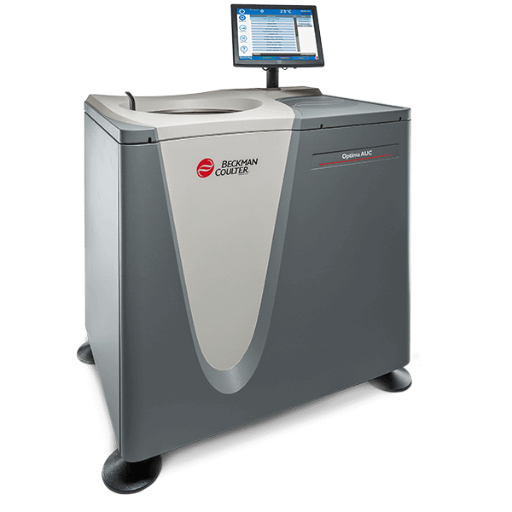
Analytical ultracentrifuges: Optima AUC series
Macromolecule characterization in solution
Enables characterization of samples in their native state
A specialized ultracentrifuge with unique detection capabilities
Monitors a wide variety of particles
No standards required: relies on first principles of thermodynamics
Lean more about AUC
Beckman Total System Design
In the Beckman total system design, ultracentrifuges are paired with matching rotors, labware and accessories. See the catalogue for a full overview of compatible rotors. Each rotor comes with a table listing rotor information and compatible tubes, with:
Maximum allowed speed per tube type
Required adapters and caps
Centrifugation force and efficiency (k-factor)
Other resources and literature
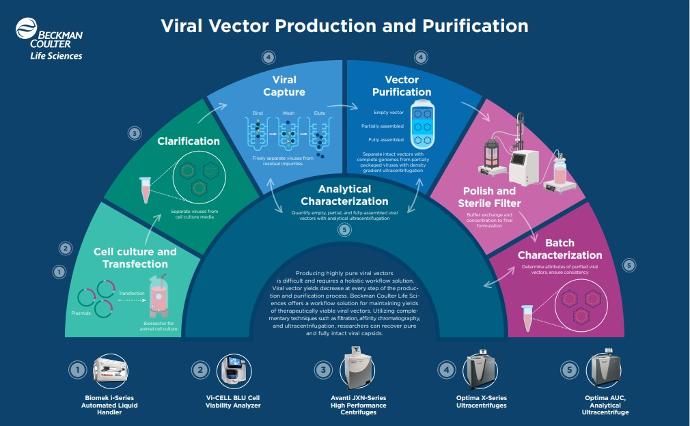
Viral Vector ultracentrifugation workflow
High-speed and ultracentrifugation effectively separate viral particles from cells and cellular debris, while analytical ultracentrifugation can identify and separate viral particles by capsid density — a measure of viral cargo. This allows empty viruses and those only partially loaded with the desired genetic material to be removed before transduction. Consistently producing abundant, high-quality virus is critical to eliminate batch-to-batch variability in the quality and efficiency of the end product.
Download viral vector workflow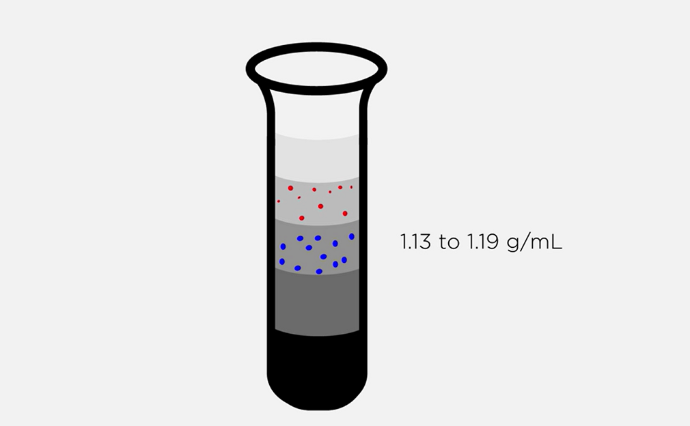
Ultracentrifugation for exosome and EV isolation
Whether from liquid biopsies or conditioned media, no step matters more to exosome research than the isolation technique. Differential ultracentrifugation is regarded as the reference method: it was the first shown to reliably isolate a pure exosome fraction, and the exosomes it produces are largely intact and thought to carry a full complement of cargo molecules. Learn why density gradient ultracentrifugation is considered the reference for isolating and purifying exosomes or extracellular vesicles from body fluids.
Download exosome isolation video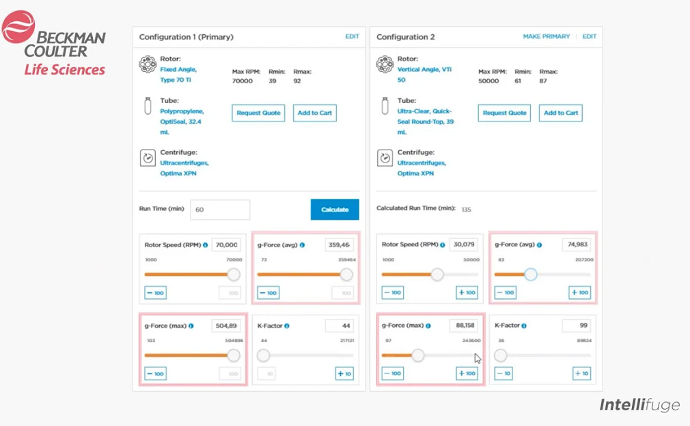
Intellifuge: more than a rotor calculator
Find compatible products or discover new ones
Simplify protocol transfer
Compare to make an informed decision. See possible combinations of rotors, tubes and centrifuges. Select one or more items from the drop-down menu, then choose 'Configuration options' for possible combinations, or 'Calculate' for g-force, k-factor and rpm.
Learn moreFrequently Asked Questions (FAQ) about Ultracentrifuges and Gradient Materials
What is ultracentrifugation and how does it work?
Ultracentrifugation uses high-speed centrifugal force to separate particles by size, shape and density. It is essential in fields such as molecular biology, biochemistry and nanotechnology for isolating specific components from complex mixtures.
In Belgium and Luxembourg, labs widely use ultracentrifugation for viral purification, organelle isolation and protein separation. Spinning samples at very high speeds creates a strong centrifugal force, so particles sediment at different rates for precise separation and analysis.
In a research lab or a clinical setting, using ultracentrifugation well can markedly improve your results. Explore our range of ultracentrifugation products and solutions for laboratories in Belgium and Luxembourg.
What Does a Complete Ultracentrifuge System Include?
A complete ultracentrifuge system includes several key components:
- Tubes: Specialized tubes designed to withstand high centrifugal forces.
- Rotors: Various types of rotors (fixed-angle, swinging-bucket) to accommodate different sample types and volumes.
- Chamber: The centrifuge chamber where the samples are placed.
- Speed and Temperature Control: Accurate speed control, often up to 150,000 RPM, and precise temperature regulation for optimal conditions with sensitive samples.
- Vacuum System: Reduces air friction and heat generation, allowing higher speeds and better separation.
- Safety and Biosafety Barriers: Multi-layered features, including dynamic rotor inertia checks, rotor overspeed discs and biosafety barriers, to protect users and keep the workspace secure.
A well-designed ultracentrifuge system is essential for safety and efficiency. Beckman Coulter offers advanced systems such as the Optima XPN, with networking, customizable security features and remote monitoring — helping your lab run smoothly and safely with reliable results.
What are density gradient reagents and why are they important?
Density gradient centrifugation is used in biochemistry, molecular biology and other fields to separate particles or molecules by their buoyant density or sedimentation coefficient in a gradient of density-forming material.
Density gradient reagents, such as cesium chloride and iodixanol, create a gradient in which particles separate by their buoyant density. They are essential for virus purification, isolation of subcellular structures and cell fractionation.
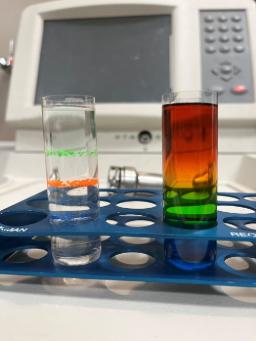
How do I choose the right density gradient reagent for my application?
The right reagent depends on your application. Iodixanol is often used for viral separations for its high resolution and low toxicity, while cesium chloride is preferred for nucleic acid separations.
OptiMATE Cesium Chloride & Iodixanol
OptiMATE reagents are versatile and purify a wide range of sample types, in both step and linear (continuous) gradients. Cesium chloride is a highly hygroscopic ionic salt that forms low-viscosity solutions; it is often used to purify nucleic acids and viruses. Iodixanol is a highly viscous, non-ionic compound that is generally gentler on particles with lipid membranes, such as cells and extracellular vesicles.
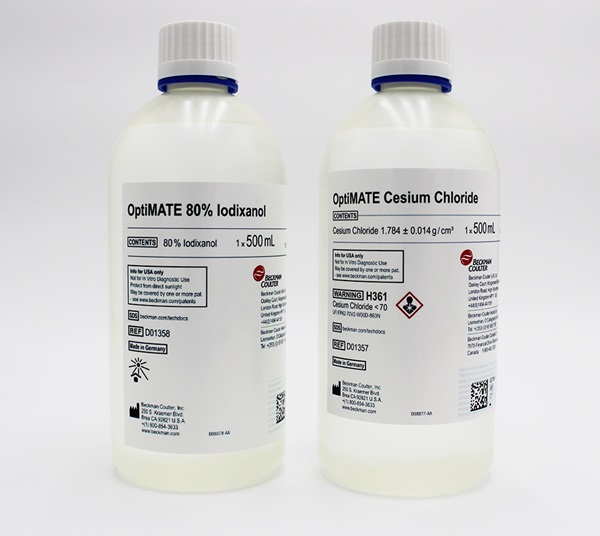
Liquid solutions for density gradient centrifugation, ideal for isolating various cell types, subcellular particles (such as plasmid DNA) and viruses. The reagents are sterile with low endotoxin levels (≤ 1 EU/mL) to support current good manufacturing practice (cGMP) workflows.
What are the different types of density gradients used in ultracentrifugation?
There are three main types of density gradients:
|
Types |
Rate Zonal |
Isopycnic |
Equilibrium Zonal |
|
Separation basis |
Materials separate in a pre-formed density gradient according to their S-values (mass and size). |
In a continuous, self-forming density gradient, materials separate according to buoyant density. |
Materials separate in a pre-formed density gradient according to buoyant density. |
|
Typical gradient |
Continuous gradient (e.g., linear sucrose gradients) |
Continuous gradient (e.g., CsCl gradients) |
The sample is separated into discrete segments of density (or steps) |
|
Common Gradient material(s) |
Iodixanol, Sucrose |
CsCl, Iodixanol |
Iodixanol (more common for viral separations), sucrose |
|
Advantage |
High resolution rate-based separation of materials with similar S-values |
Highest resolution separation by density |
One-step purification and concentration by density |
| Illustration of gradient before and after ultracentrifugation | 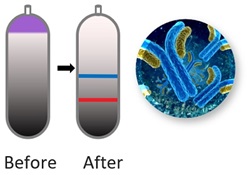 | 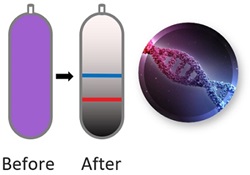 | 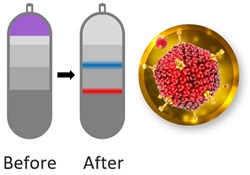 |
What are the common applications of density gradient ultracentrifugation?
Density gradient ultracentrifugation is used for:
Separation of biomolecules
|
DNA, RNA, proteins, etc. |
Virus purification
|
Isolating different capsid types (virus and viral vector like AAV's), including, empty, partially loaded, full, and overloaded.
|
Isolation of subcellular structures |
Nuclei, mitochondria, lysosomes, membranes, LNP's, EV's. |
Fractionation of cells
|
Studying distinct cell populations within heterogeneous samples. |



How should I store and handle density gradient reagents like OptiMATE Cesium Chloride and Iodixanol?
Store density gradient reagents at room temperature (20 °C); shelf life is 18 months from the manufacturing date. Dispose of them at an approved hazardous-waste facility, following your organization's waste disposal plan.
Our products
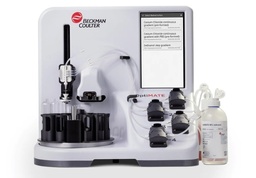
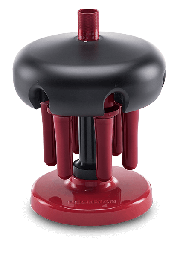
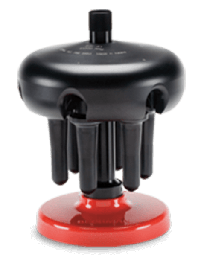
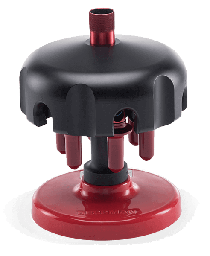
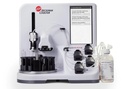
The Optimate™ Gradient Maker by Beckman Coulter is a breakthrough tool for preparing density gradients in ultracentrifugation workflows. Designed for research and diagnostic labs, it offers unmatched precision, automation, and reproducibility.
Optimate™ Gradient Maker – Simplify and Standardize Your Gradient Preparations
Whether you're working in molecular biology, virus purification, exosome isolation, or complex biomolecule fractionation, Optimate™ delivers:
- Manual or automated gradient preparation—adapt to your workflow
- Real-time process visualization via an intuitive interface
- Improved reproducibility with reduced operator variability
- Time savings and enhanced experimental consistency
Optimized for use with OptiSeal™ and Quick-Seal® tubes in SW 32 Ti or SW 41 Ti rotors, this system seamlessly integrates into any Beckman Coulter ultracentrifuge environment.
Analis is the exclusive distributor of the Optimate™ Gradient Maker in Belgium and Luxembourg. Benefit from our local support and scientific expertise to successfully implement it in your protocols.
👉 Contact our specialists!
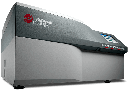
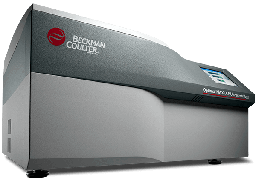
The Optima™ MAX-XP tabletop ultracentrifuge is a power-packed solution that delivers fast, efficient separations from samples as small as 175 µL up to 32.4 ml and at speeds of up to 150,000 RPM (2,500 revolutions per second) and more than 1,000,000 x g.
-Advanced software with rigorous electronic record keeping including password-controlled access and complete audit trail documentation
-Convenient touch-screen controls and easy-to-view display for gauging real-time speed, time and temperature
-Four unique tube designs for unparalleled productivity across a wide range of applications
-Features a proprietary multi-level approach to biosafety offering reliable protection
Features :
Track Detail Usage History
Security and tracking features manage your rotor life by serial number.
Password protection and electronic signatures help you maintain chain of custody and compliance.
Receive Diagnostic Alerts via Email
Remote monitoring and control enables you to start, stop, and monitor from your computer, smart phone, or tablet.
Enhanced Safety
Fits in standard biosafety hood
BioSafe optional dual PALL® Pharmaceutical Grade Sterilizing Filters
User-Friendly, Multilingual Interface
Full color LCD touchscreen display
Allows for large icons for easy selection
Touchscreen works with many glove types
9 different languages available for the intuitive interface (most in industry)
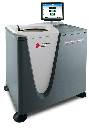
The Optima™ XPN is the premier ultracentrifuge. With networking capability and customizable security and tracking features to ensure chain of custody and compliance, the Optima XPN offers multi-layered BioSafety* features for a safe and productive work environment.
-Equipped with the innovative eXpert simulation software
-Available in 100k, 90k, and 80k RPM configurations
-Compatible with extensive rotor and labware options
-Backed by unparalleled service program options
Features :
Optimize protocols before running
Quickly perform common calculations and conversions with proprietary software to optimize protocols, save time, and save samples.
Receive diagnostic alerts via email
Remote monitoring and control enables you to start, stop, and monitor from your computer, smart phone, or tablet.
Track detail usage history
Security and tracking features manage your rotor life by serial number. Password protection and electronic signatures help you maintain chain of custody and compliance.
Enhanced Safety
Dynamic Rotor Inertia Check (DRIC)
Rotor overspeed disc
Real and simulated testing
BioSafe optional dual PALL® Pharmaceutical Grade Sterilizing Filters
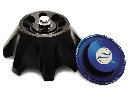
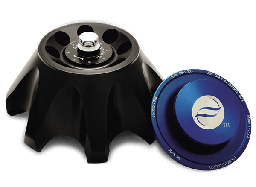
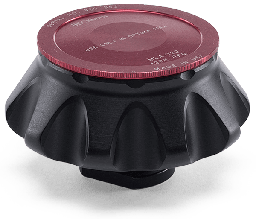
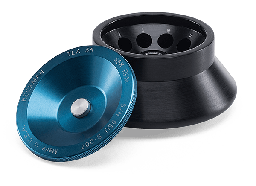
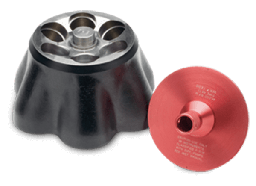
The MLA-55 fixed angle rotor, rated for 55 000 rpm, has a tube angle of 35 degrees from the axis of rotation. The rotor can centrifuge up to eight tubes and is used in Beckman Coulter Optima MAX, MAX-XP, and MAX-E tabletop ultracentrifuges.
The rotor, lid, and handle are made of aluminium and anodized to resist corrosion. A rotor retention mechanism on the ultracentrifuge drive hub secures the rotor during the run. Lubricated O-rings made of Buna-N rubber in the rotor lid and handle maintain atmospheric pressure inside the rotor during centrifugation. The tube cavities are numbered to aid in sample identification.
The ultracentrifuge identifies rotor speed during the run by means of a magnetic speed sensor in the instrument chamber and magnets on the bottom of the rotor. This overspeed protection system ensures that the rotor does not exceed its maximum permitted speed.
Major Applications: Subcellular isolations.
For use in the Optima MAX-XP Benchtop Ultracentrifuges and Optima MAX Micro Ultracentrifuges.
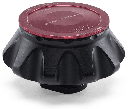
Major applications: Rapid differential sedimentation (pelleting) of small particles such as subcellular organelles and viruses. For use in the Optima MAX-XP Benchtop Ultracentrifuge.
Rotor Package Includes:
- Rotor,
- 1 box 344625 Quick-Seal Polypropylene Tubes,
- 10 each 367310 Spacers,
- 1 each 349387 Tube Rack,
- 975001 O-ring,
- 927208 Hemostats,
- 306812 Spinkote Lubricant,
- 335148 Vacuum Grease.
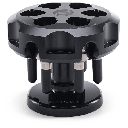
This titanium top-loading swing-out
ultracentrifuge rotor is for use in Beckman Coulter instruments classified: H R S
The major applications covered are the separation of subcellular particles and viruses in density gradients.
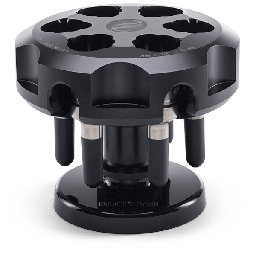
This versatile rotor is also compatible with interchangeable SW 32.1 Ti bucket sets, which allow for a longer pathway and greater g-forces at the bottom of the thinner tubes. The SW 32 Ti and SW 32.1 Ti are swinging-bucket rotors designed to centrifuge up to six tubes each.
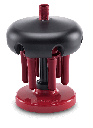
This ultracentrifuge rotor is for use in instruments classified H R S
Major applications are Rate-zonal centrifugation of proteins, RNA and subcellular particles.
Package Includes :
- Rotor,
- 2 boxes 331374 Polypropylene Tubes,
- 2 boxes 344060 Ultra-Clear Tubes,
- 1 each 330070 Hinge Pin Tool,
- 331313 Bucket Holder Rack,
- 306812 Spinkote Lubricant,
- 335148 Vacuum Grease,
- 330335 Overspeed Disk,
- 24 each 331309 Gaskets for Buckets.
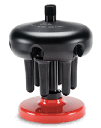
This ultracentrifuge rotor is to be used in instruments classified HRS
Major applications covered are rate-zonal and isopycnic centrifugation of viruses, rate-zonal centrifugation of RNA.
Assembly Includes:
- SW 41 Ti Rotor head and
- 333790 Bucket Set
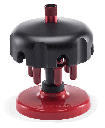
For use in instruments classified: H R S
Major applications: Rate-zonal separations of small particles.
Package Includes :
- Rotor,
- 2 boxes 326819 Polypropylene Tubes,
- 2 boxes 344057 Ultra-Clear Tubes,
- 1 each 330070 Hinge Pin Tool,
- 331313 Bucket Holder Rack,
- 306812 Spinkote Lubricant,
- 335148 Vacuum Grease,
- 328896 Overspeed Disk,
- 24 each 824412 O-rings.
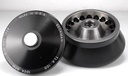
Major applications: Pelleting of subcellular fractions; proteins; RNA. Note: Non-precipitating solutions up to 1.7 g/mL in density can be run in this rotor without a reduction in rotor speed.
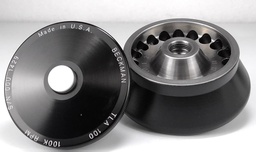
For use in the Optima MAX-XP Benchtop Ultracentrifuge, Optima TLX personal micro-ultracentrifuges, and Optima MAX high-capacity personal micro-ultracentrifuges, and the discontinued TL-100 and; Optima TL micro-ultracentrifuges.
Rotor Package Includes:
- Rotor,
- 1 box 343775 Thickwall Polycarbonate Tubes,
- 1 each 348302 Tube Rack,
- 824412 O-Ring (inner, rotor lid),
- 824953 O-Rings (outer, rotor lid),
- 927208 Hemostats,
- 346133 Rotor Rotor Vise/Stand,
- 306812 Spinkote Lubricant,
- 335148 Vacuum Grease.
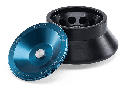
Major Applications: Rapid pelleting of nucleic acid precipitates in 1.5 mL tubes.
For use in the Optima MAX-XP Benchtop Ultracentrifuge, Optima TLX personal micro-ultracentrifuges, and Optima MAX high-capacity personal micro-ultracentrifuges, and the discontinued TL-100 and Optima TL micro-ultracentrifuges.
Rotor Package Includes:
- BioCertified Rotor,
- 1 box 357448 Microcentrifuge Tubes,
- 1 each 824412 and 824644 O-rings,
- 348122 Tube Rack,
- 927208 Hemostats,
- 306812 Spinkote Lubricant,
- 335148 Vacuum Grease.
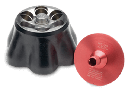
This ultracentrifuge rotor is for use in instruments classified H R S.
Note: This rotor cannot be used in 40,000 rpm F or H instruments or the L5-50E unless the instruments have been upgraded with a diffusion pump and vacuum indicator.
Major applications: differential centrifugation of large volumes of subcellular fractions and viruses.
Assembly Includes:
3 each 854519 O-rings (small),
3 each 878260 O-ring (large),
and 2 each 335458 Overspeed Disks.
Related product categories
News


