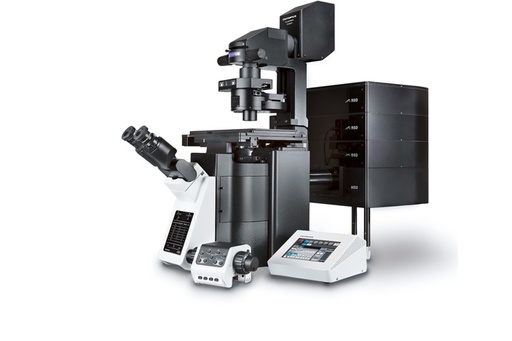
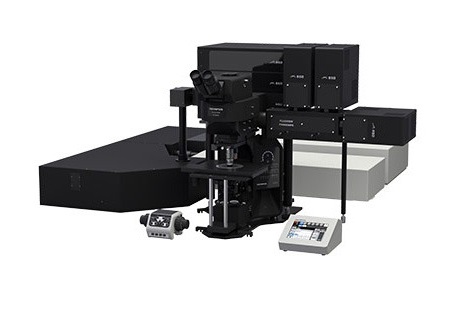
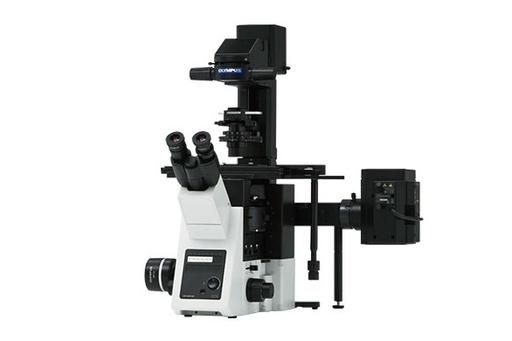
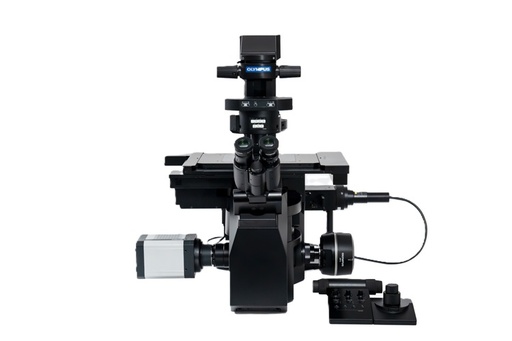
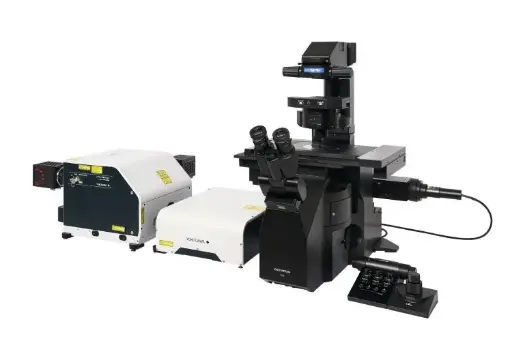
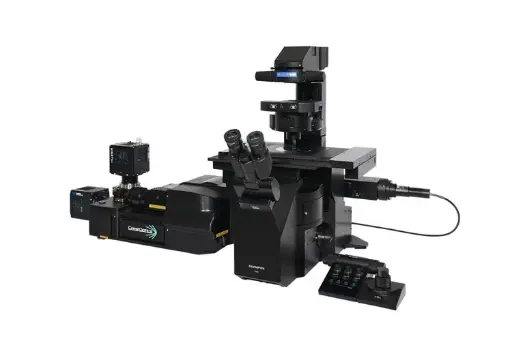
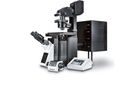
- TruSpectral technology allows simultaneous multiplexing of up to 6 channels
- Industry-leading 10-laser system (405–785 nm) with powerful NIR capabilities up to 900 nm
- Dual scanner system offers fast resonant and high-resolution galvo scanning with improved depth and speed
- SilVIR detectors provide stability and reproducibility across sessions
- Suitable for both fixed and live-cell imaging
Contact Analis application specialists to receive personalized system proposal or organize a demo.
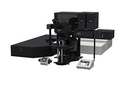
- Powered by SilVIR™ detectors for low noise and high photon sensitivity
- TruResolution™ objectives minimize spherical aberration in deep tissue
- Resonant scanner enables high-speed, gentle time-lapse acquisition
- Modular system fits upright, inverted, or gantry configurations
- Wide spectral range with up to six channels and IR excitation from 690–1300nm
Ask Analis for a customized solution or live demo.
Reliable and accurate
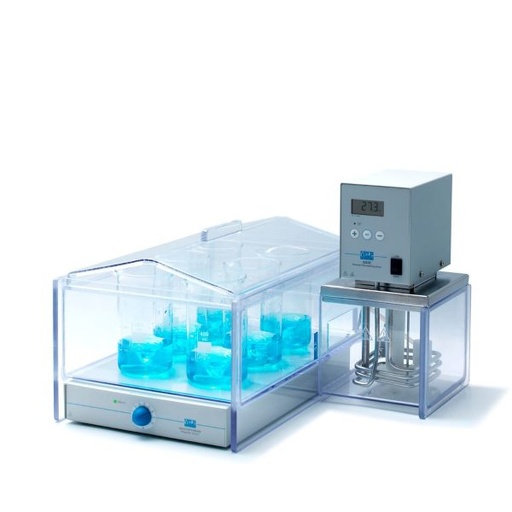
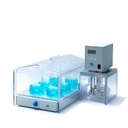
The analytical procedure for the determination of dietary fiber involves a series of digestions of the sample by thermostable enzymes using the enzymatic digester GDE, which operates in accordance with the official AOAC method for the determination of total dietary fiber.
The magnetic stirrer of GDE ensures homogeneity thanks to a continuous and constant stirring of the sample while avoiding overheating that could compromise the success of enzymatic digestions.
Intuitive and precise
Set the timer for unattended operation, you can quickly set the operating time and focus on other tasks.
The transparent polycarbonate tank ensures visibility and enhanced resistance up to 105 °C; whilst the use of deionized water eliminates any possible creation of limestone.
Outstanding temperature regulation is possible with GDE: through an intuitive digital display, it is possible to set the desired temperature, with excellent accuracy of only ± 0.2 °C.
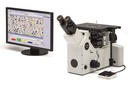
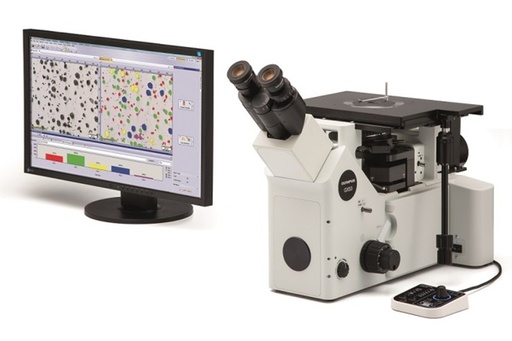
Inverted metallurgical microscope for high-resolution inspection and documentation.
The Olympus / Evident GX53 combines powerful optics with a flexible modular platform.
- Delivers excellent resolution and clarity at high magnifications
- Inverted design simplifies observation of heavy or large samples
- Works with coded nosepiece and digital camera integration
- Suitable for failure analysis, R&D, and metallography labs
- Seamless integration with PRECiV imaging software
Analis provides system integration and support for materials science users.
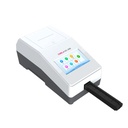
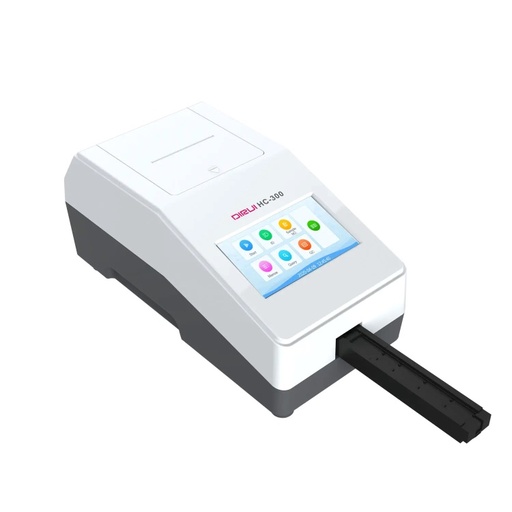
DIRUI HC-300 Urine Analyzer
Welcome to the world of DIRUI redefining medical equipment. Introducing the all-new redesigned HC-300 Urine Analyzer, a perfect blend of technology and convenience. Designed for multi-scenario applications, the HC-300 ensures practicality that goes beyond expectations.
Key Features:
• Beyond Expectation Practicality: The HC-300 is not just a urine analyzer; it’s a blend of technology and convenience, ensuring accurate results every time.
• All-New Re-Designed: DIRUI revamped the compact design to offer an ergonomic, user-friendly experience ensuring ease of use without compromising on performance.
• Multi-Scenario Application for a Point of Care Testing (POCT): Whether it’s a busy hospital or a private clinic (Ambulance, mobile test station, delivery room, care units, etc.), the HC-300 adapts seamlessly to every environment, delivering consistent results.
Explore the technical specifications and witness the blend of efficiency, speed, and accuracy. With up to 14 parameter detection capabilities, it’s engineered for perfection. Work with Consumables: Strips, QC.
Ask Analis experts for support in the Benelux (Belgium, the Netherlands, and Luxembourg). For other countries, ask DIRUI for a local representative.
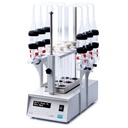
Preliminary hydrolysis for total fat determination
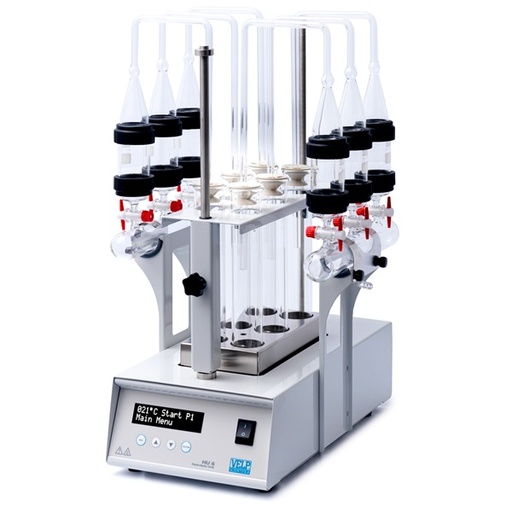
The VELP Scientifica HU 6 Hydrolysis Unit prepares samples before solvent extraction for total fat determination, freeing the fat molecules ready for extraction.
This procedure is required in a number of AOAC Official Methods to determine the fat content of food samples such as meat, cheese, seafood, chocolate, cereal flours and more.
The HU 6 performs hydrolysis safely and handles six samples at once to maximize productivity.
Fast and safe hydrolysis
Samples are heated in test tubes in an aluminum block with excellent thermal homogeneity. Hydrolysis runs in an acidic medium (4N hydrochloric acid) — and in some cases a basic medium (20% w/v ammonia) — for about 60 minutes at 170 °C. The hydrolyzed sample is then filtered in a glass crucible and washed with warm deionized water to remove traces of hydrochloric acid.
The HU 6 comes with a vacuum pump that improves safety by reducing acid fumes.
The glass crucible with the hydrolyzed, washed sample is oven-dried, then placed in a desiccator. It transfers directly to the SER 158 or SER 148 Solvent Extraction Unit, avoiding sample loss and improving accuracy.
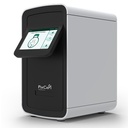
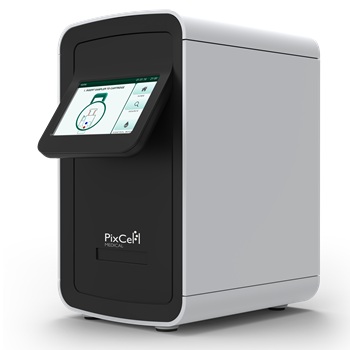
PixCell HemoScreen™ – Lab-Quality CBC Testing at the Point of Care
The PixCell HemoScreen™ is a compact, FDA-cleared and CE-marked hematology analyzer that delivers a 5-part differential Complete Blood Count (CBC) from a single drop of blood — in just 5 minutes. Specifically designed for true point-of-care use, it offers unmatched simplicity and accuracy, with:
- No maintenance required
- No calibration needed
- No reagent handling
- Capillary or venous blood sampling (20 µL)
- Disposable all-in-one cartridges with sealed reagents and waste
- Validated accuracy in peer-reviewed studies
The analyzer uses PixCell’s patented viscoelastic focusing technology combined with AI-powered image analysis to differentiate and count cells with high precision.
Ideal for decentralized diagnostics, the HemoScreen™ supports clinical decision-making across various settings, including:
- Emergency departments & ICUs
- Oncology infusion centers
- Psychiatry clinics (e.g., clozapine monitoring)
- Pediatrics & primary care
- Military and mobile healthcare units
With its portable format (5.5 kg) and intuitive interface, the HemoScreen™ makes hematology accessible where it matters most.
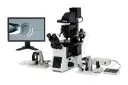
High-Precision Imaging for Advanced Reproductive Research
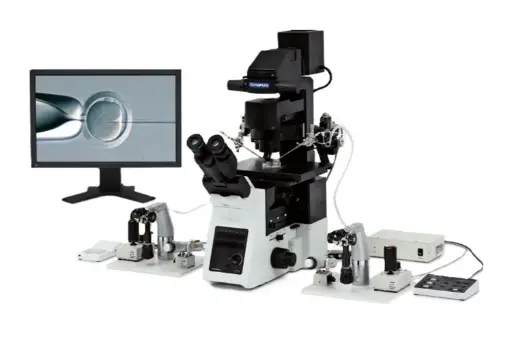
Why Choose the IX73 for ICSI/IMSI?
- Designed for IVF: Optimized for ICSI, IMSI, and SL-ICSI techniques.
- Improved Workflow: Motorized switching between objectives and condenser positions with one-button operation.
- High-Contrast Imaging: Supports relief-contrast and differential interference for clear oocyte and sperm visualization—even in plastic dishes.
- Effortless Operation: Focus and brightness automatically adjust with magnification changes.
- Expandable Configuration: Compatible with third-party micromanipulators and accessories.
Application Highlights
ICSI (Intracytoplasmic Sperm Injection)
IMSI (Intracytoplasmic Morphologically Selected Sperm Injection)
SL-ICSI (Spindle Localization)
Key Features
- Semi-motorized microscope with motorized switching of condenser/objectives
- Spindle observation standard (polarized light)
- One-button switching between observation methods via hand switch
- Supports IMSI with optional unit
- UIS2 optical system for superior image quality
- Compatible with relief contrast, DIC, and polarization techniques
Looking for full automation?
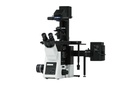
Inverted compound microscope for standard multicolor fluorescence and routine imaging.
The Olympus / Evident IXplore IX73 is optimized for high-quality imaging with ergonomic design.
- Fluorescence-ready system for cell culture and standard research tasks
- Same optical quality as high-end IXplore platforms
- Encoded upgrade path for improved reproducibility
- Simplified, intuitive operation for efficient workflow
- Modular build supports different vessels and observation techniques
Designed for consistent results in routine lab work. Contact Analis for full system integration.
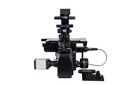
Inverted Microscope for Live-Cell Imaging and Automation
Motorized and Modular Design for Precision Imaging
Seamless integration with Olympus cellSens software ensures intuitive operation, automated workflows, and consistent image acquisition across experiments.
Flexible Configurations for Time-Lapse and High-Content Applications
- Supports fluorescence, DIC, phase contrast, and IR-DIC imaging
- Motorized Z-drive and XY stage with TruFocus™ Z-drift compensation
- Modular deck structure for easy integration of additional optical paths or accessories
- Seamless compatibility with incubation systems for live-cell viability
- Ideal for cancer biology, stem cell tracking, and neuroscience research
- Scalable for routine imaging to AI-assisted image acquisition and automated analysis
The IXplore IX85 platform is also available in two optimized configurations:
- IXplore IX85 Pro for high-speed, high-content imaging with a wide field of view
- IXplore IX85 Live for long-term live-cell imaging with minimized phototoxicity and precise environmental control.

Key Features & Benefits
- Super-resolution imaging down to 120 nm with dual microlens spinning disk
- High-speed acquisition up to 255 frames per second (full field)
- Live-cell compatibility with low phototoxicity and photobleaching
- Dual camera port & simultaneous multicolor acquisition
- TruFocus™ Z-drift compensation for stable long-term imaging
- Wide spectral range (400–750 nm excitation / 400–800 nm emission)
- Seamless integration with Olympus cellSens software
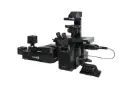
Key Features & Benefits
- Extra-large 26.5 mm FOV for fast, high-content acquisition
- Up to 498 fps imaging speed (full frame)
- NIR imaging capability reduces phototoxicity and improves depth
- Multi-disk flexibility: standard, thick sample, or high-throughput spiral
- TruFocus™ Z-drift compensation for multipoint time-lapse stability
- Compatible with AI-powered Olympus cellSens software
Automated Liquid Handling
Capillary Electrophoresis
Cell culture and Fermentation
Cell health
Centrifugation
Chromatography (flash & prep)
Cleaning
Clinical Automation (TLA)
Clinical IT solutions
Clinical chemistry
Clinical quality controls
Color-Appearance and Physical tests
DNA / RNA (Nucleic acids)
Disinfection
Electrochemistry
Environmental monitoring
Flow cytometry
Flow cytometry Cell sorting
Freeze drying
Heating & cooling
Hematology
Imaging
Immuno-Hematology
Immunoassay
In Vitro Fertilization (IVF)
Lab furniture & design studies
Liquid Handling (Manual)
Mass spectrometers
Material testing & characterization
Metrology
Microbiology (Clinical)
Microscopy
Moisture analysis
Nephelometry
POCT
Particle characterization
Platelet aggregation
Protection cabinets
Pumping
Rheometers
Sample preparation
Shakers and stirrers
Sterilization
Storage
Synthesis
Tablet testing
Texture analyzers
Toxicology
Urine analysis
Viscometers
Water purification
Weighing